How Long Are Typical Hiking Tours? How long are typical hiking tours? A Complete Guide…
What permits are required for hiking?
What permits are required for hiking?
What permits are required for hiking? A Complete Guide by Kigali City Tours is an essential resource for travelers seeking to explore the breathtaking landscapes of Uganda and Rwanda with confidence, safety, and proper authorization. Across East Africa, hiking is not simply a physical journey into mountains and forests; it is a regulated conservation activity designed to protect fragile ecosystems, endangered wildlife, and the cultural heritage surrounding iconic destinations. Therefore, understanding permit requirements is the first step toward planning a successful and responsible adventure. From the misty slopes of the Rwenzori Mountains to the volcanic peaks of Rwanda’s Virunga region, permits act as official permissions granted by wildlife authorities to ensure controlled access and sustainable tourism practices.
Why are hiking permits important for East African adventures? These permits are more than formal documents; they directly contribute to conservation funding, park management, and community development around protected areas. In Uganda, hiking permits regulate access to mountain trekking routes such as the Rwenzori Mountains National Park, while in Rwanda, permits govern hiking experiences within Volcanoes National Park, home to dramatic volcanic terrain and biodiversity-rich landscapes. Without these permits, entry into these protected ecosystems is not allowed, making them a mandatory requirement for all visitors.
How does Kigali City Tours enhance your hiking experience? As a trusted safari operator, Kigali City Tours ensures that all clients receive accurate guidance, timely permit arrangements, and professionally organized itineraries. Whether you are interested in Uganda Best Safari experiences or exploring Rwanda Safaris, our expertise guarantees seamless planning from permit acquisition to final summit achievement. Ultimately, What permits are required for hiking? A Complete Guide by Kigali City Tours serves as your gateway to understanding how regulated access enhances both safety and unforgettable adventure experiences across East Africa’s most iconic hiking destinations.
Uganda Hiking Permits: Gateway to the Rwenzori Mountains and Volcanic Trails
What permits are required for hiking? A Complete Guide by Kigali City Tours begins in Uganda, where hiking permits are strictly required for all major mountain expeditions, especially within protected national parks. One of the most prominent destinations is the Rwenzori Mountains National Park, famously known as the “Mountains of the Moon.” Here, hikers must obtain a climbing permit issued by the Uganda Wildlife Authority (UWA), which covers park entry, ranger services, camping access, and conservation fees. These permits are essential because they regulate visitor numbers, preserve alpine biodiversity, and ensure safety in one of Africa’s most challenging mountain environments.
What makes Uganda’s hiking permits unique for adventurers? Unlike casual trekking destinations, Uganda’s permit system is structured to include guided support, meaning every hiker is accompanied by trained rangers or certified guides. This not only enhances safety but also enriches the experience through expert interpretation of flora, fauna, and geological formations. In addition to the Rwenzori Mountains, areas such as Mgahinga Gorilla National Park also require hiking permits for volcano trekking experiences, including Mount Muhabura, Mount Gahinga, and Mount Sabyinyo. These volcanic hikes offer panoramic views stretching across Uganda, Rwanda, and the Democratic Republic of Congo.
When is the best time for hiking in Uganda? The most favorable seasons fall between June to September and December to February, when trails are less slippery and weather conditions are more stable. During these months, What permits are required for hiking? A Complete Guide by Kigali City Tours becomes especially relevant for travelers planning Uganda Best Safari experiences, as advance permit booking is highly recommended due to increased demand. By securing permits early, travelers ensure uninterrupted access to Uganda’s most spectacular hiking routes while supporting conservation-driven tourism initiatives.
Rwanda Hiking Permits: Volcano Adventures and Rwanda Safaris Experience
What permits are required for hiking? A Complete Guide by Kigali City Tours extends into Rwanda, where hiking permits are equally important for accessing Volcanoes National Park, one of Africa’s most celebrated trekking destinations. Known globally for its dramatic volcanic peaks and rich biodiversity, this park requires all hikers to obtain official permits issued by the Rwanda Development Board (RDB). These permits regulate access to iconic mountains such as Mount Bisoke, Mount Karisimbi, and Mount Muhabura, ensuring that tourism remains sustainable while protecting fragile ecosystems.
Why are Rwanda hiking permits essential for conservation and tourism? The permit system in Rwanda is designed to balance tourism growth with environmental preservation. Each permit contributes directly to park maintenance, community development projects, and wildlife protection programs. Additionally, guided hiking is mandatory, ensuring that visitors are accompanied by professional trackers who provide safety support and interpretive knowledge throughout the journey. This structured approach enhances Rwanda Safaris by offering a well-organized and eco-conscious travel experience.
How does hiking in Rwanda complement regional safari experiences? Many travelers combine hiking with Rwanda Best Safari itineraries, exploring not only volcanic landscapes but also nearby wildlife encounters in national parks and cultural sites. The integration of hiking permits into broader safari planning ensures seamless travel experiences across the region. What permits are required for hiking? A Complete Guide by Kigali City Tours highlights how Rwanda’s permit system contributes to its reputation as one of Africa’s most organized and premium hiking destinations, attracting global travelers seeking both adventure and conservation-focused tourism.
What to Pack, Why Choose Us, and Final Travel Insights for Your Hiking Safari
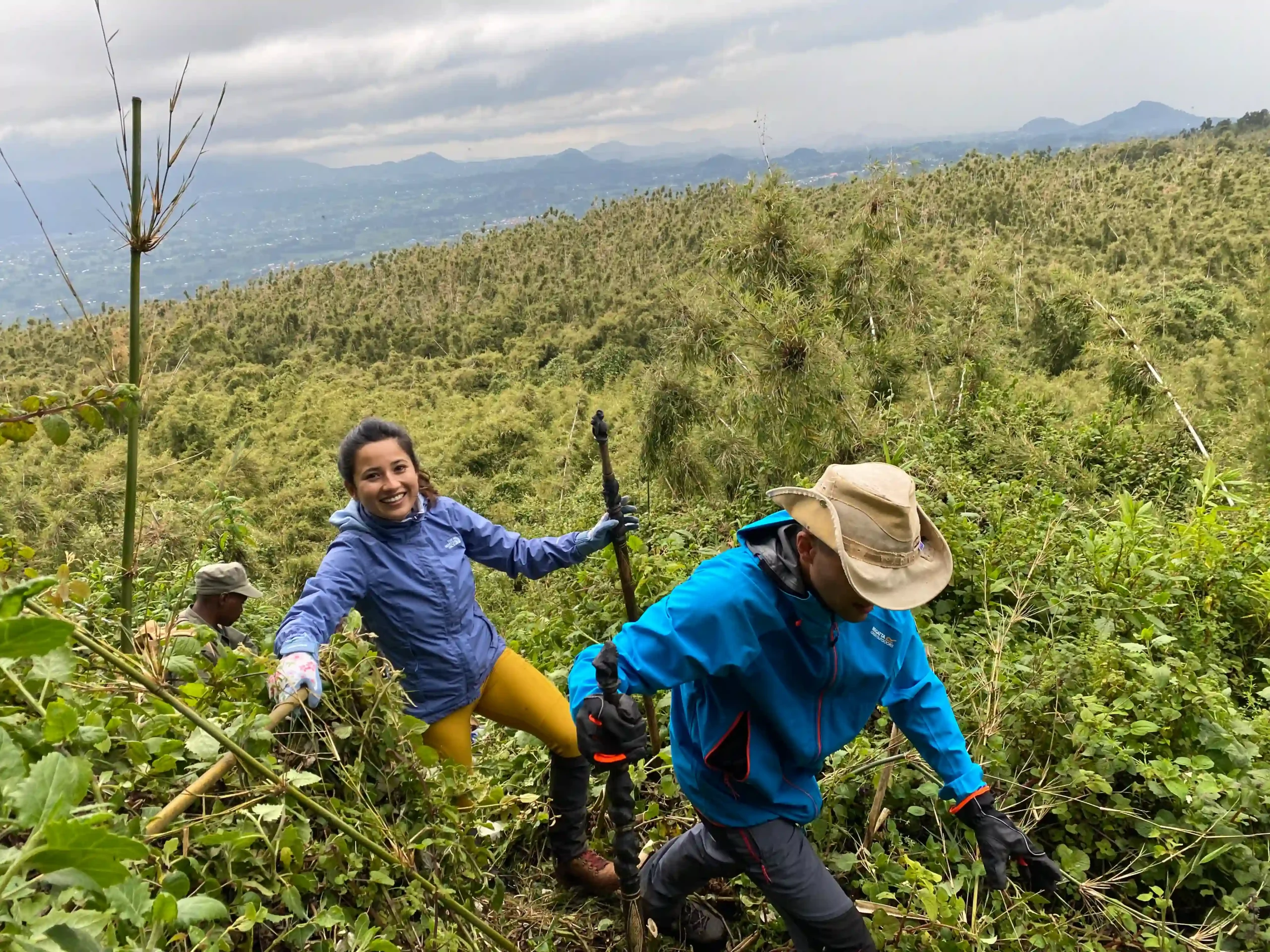
What permits are required for hiking? A Complete Guide by Kigali City Tours also emphasizes practical preparation, including essential packing guidelines for East African hiking adventures. Proper gear significantly enhances comfort, safety, and overall enjoyment during mountain treks. Travelers are advised to carry sturdy hiking boots, waterproof jackets, layered clothing for changing weather conditions, gloves, a backpack, energy snacks, and sufficient drinking water. In addition, trekking poles, sunscreen, and insect repellent are highly recommended for long-distance hikes across Uganda and Rwanda’s diverse terrains.
Why should you choose Kigali City Tours for your hiking safari experience? As a professional and experienced tour operator, Kigali City Tours offers expertly curated itineraries that prioritize safety, comfort, and authenticity. Our team ensures all hiking permits are secured in advance, eliminating logistical challenges for travelers. With deep regional expertise, we provide personalized safari experiences that connect guests to Uganda Best Safari and Rwanda Safaris opportunities in a meaningful and immersive way. Our commitment to sustainability and responsible tourism also ensures that every journey contributes positively to conservation and local communities.
What makes this hiking experience truly unforgettable? Beyond permits and logistics, the true value lies in the landscapes, cultural encounters, and emotional connection to Africa’s natural beauty. What permits are required for hiking? A Complete Guide by Kigali City Tours serves as more than a travel guide; it is a trusted roadmap for global travelers seeking expert insight, reliable planning, and transformative adventure experiences. By choosing the right operator and securing the correct permits, hikers unlock access to some of the most extraordinary mountain destinations in Africa, where every step tells a story of nature, conservation, and discovery.
Related Posts