Are Rwanda Safaris Suitable for Families? Planning a memorable African holiday often leads to one…
What Should I Pack for a Wildlife Safari in Rwanda
What Should I Pack for a Wildlife Safari in Rwanda
Planning an unforgettable African adventure often begins with one essential question: What Should I Pack for a Wildlife Safari in Rwanda? Preparing correctly for Rwanda Safaris ensures comfort, safety, and a deeply rewarding wildlife experience in one of Africa’s most remarkable destinations. Rwanda, known as the “Land of a Thousand Hills,” offers breathtaking savannah plains, scenic lakes, and thriving biodiversity that attract global travelers seeking the Rwanda Best Safari experience. Packing wisely is not simply about convenience; it directly influences how fully you enjoy your time in the wilderness.
Organizing luggage for a safari requires understanding the climate, terrain, and nature of activities involved. Selecting practical clothing, protective gear, travel documents, and essential accessories guarantees a smooth journey from arrival to departure. Kigali City Tours, a trusted name in Rwanda Safaris and Uganda Safaris, provides professional guidance built on extensive regional knowledge and hands-on field experience. Thoughtful preparation allows visitors to focus on wildlife encounters, photography, and cultural immersion without unnecessary stress.
Answering What Should I Pack for a Wildlife Safari in Rwanda? also reflects responsible travel planning. Choosing neutral clothing, lightweight layers, and reliable equipment enhances both comfort and conservation-friendly wildlife viewing. Expert advice shared in this guide positions Kigali City Tours as a dependable authority in Rwanda Birding Safaris and Rwanda Cultural Safaris, offering practical insight for international explorers seeking credible, experience-driven information.
What Should I Pack for a Wildlife Safari in Rwanda in Akagera National Park?
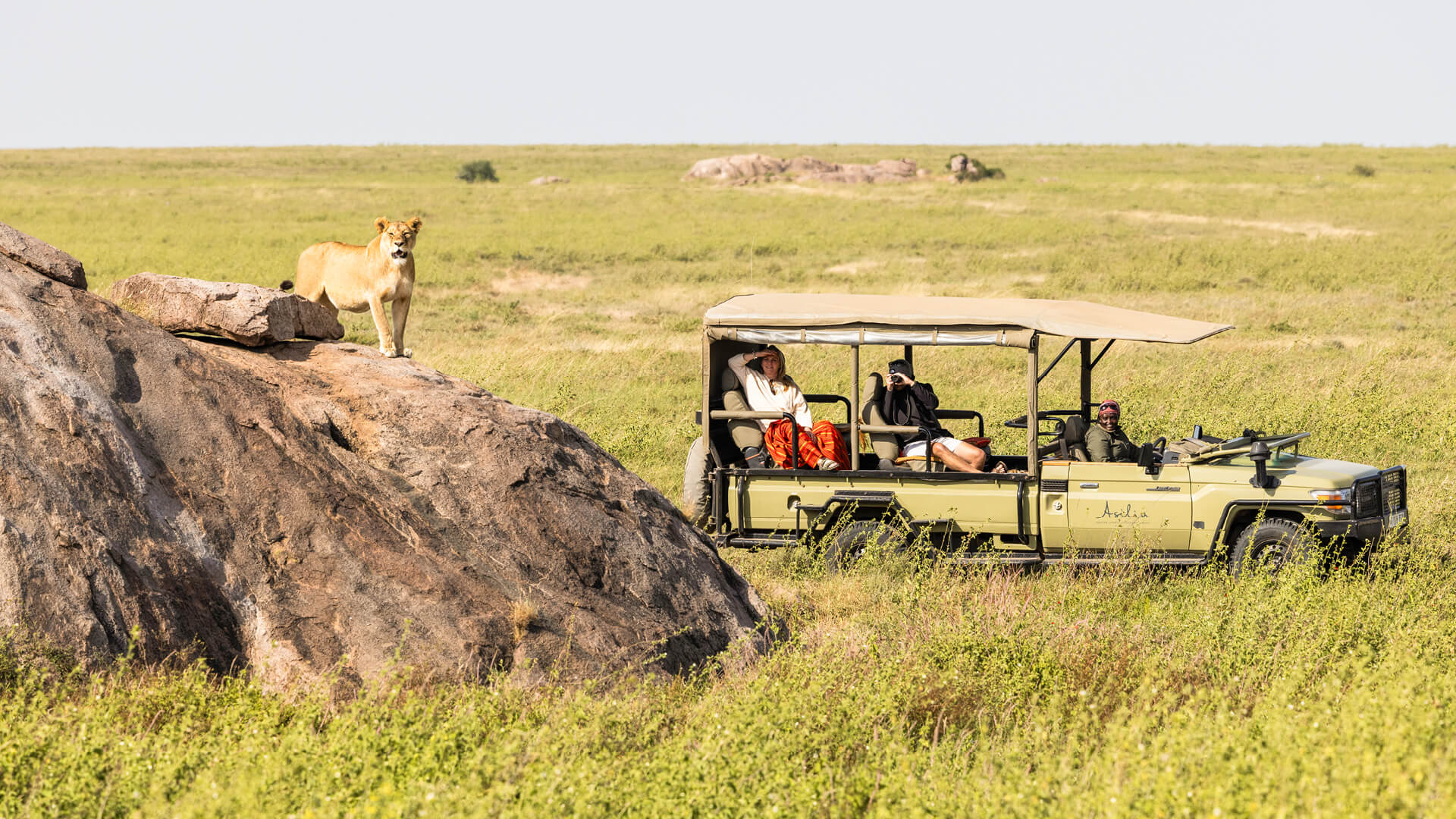
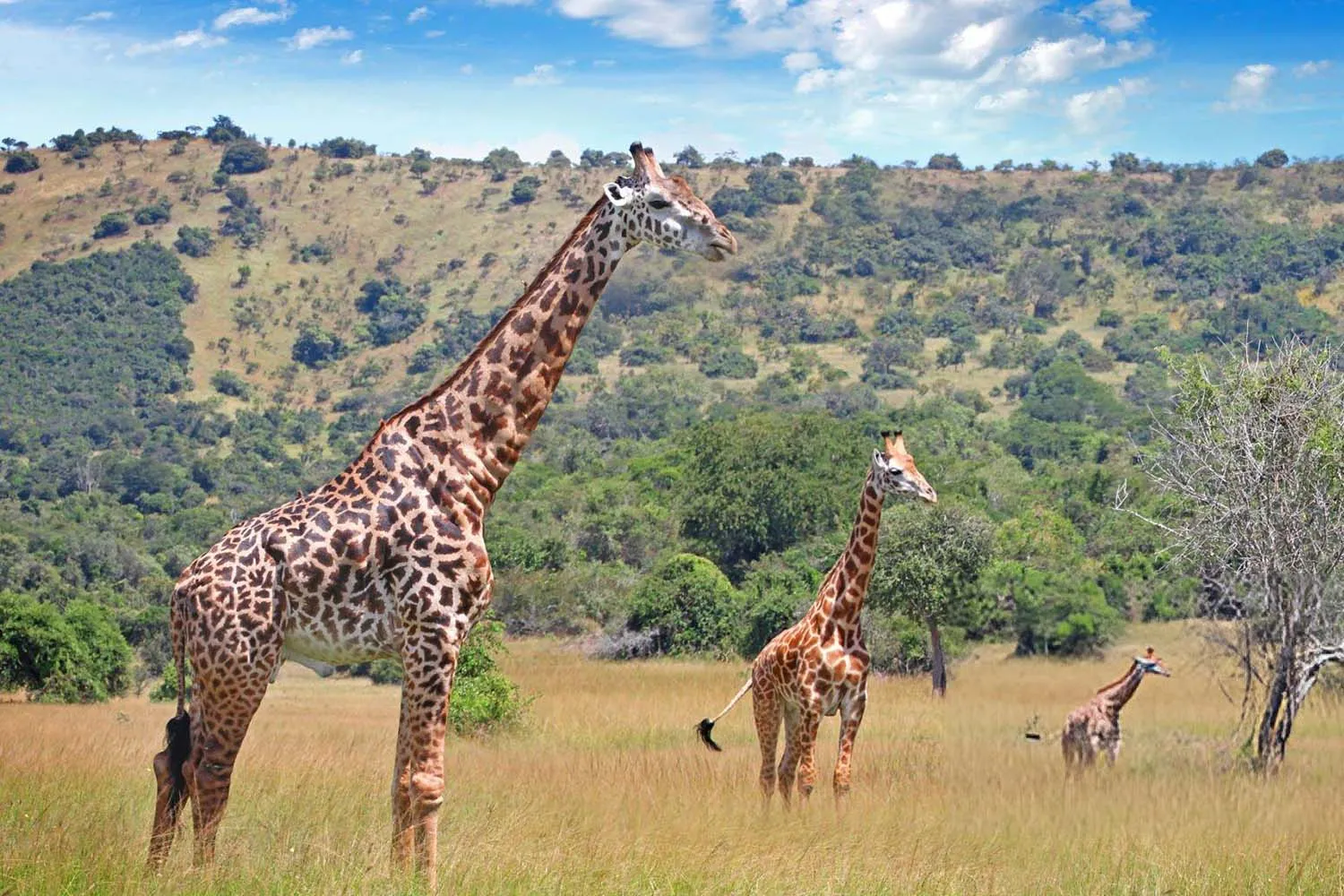
Travelers researching What Should I Pack for a Wildlife Safari in Rwanda? should focus primarily on the conditions found in Akagera National Park, the country’s premier savannah wildlife destination. Situated in eastern Rwanda along the Tanzanian border, Akagera National Park is the highlight of Rwanda Best Safari itineraries, offering sightings of lions, elephants, rhinos, buffaloes, giraffes, zebras, and abundant birdlife. Packing appropriately for this environment ensures maximum enjoyment during game drives and nature excursions.
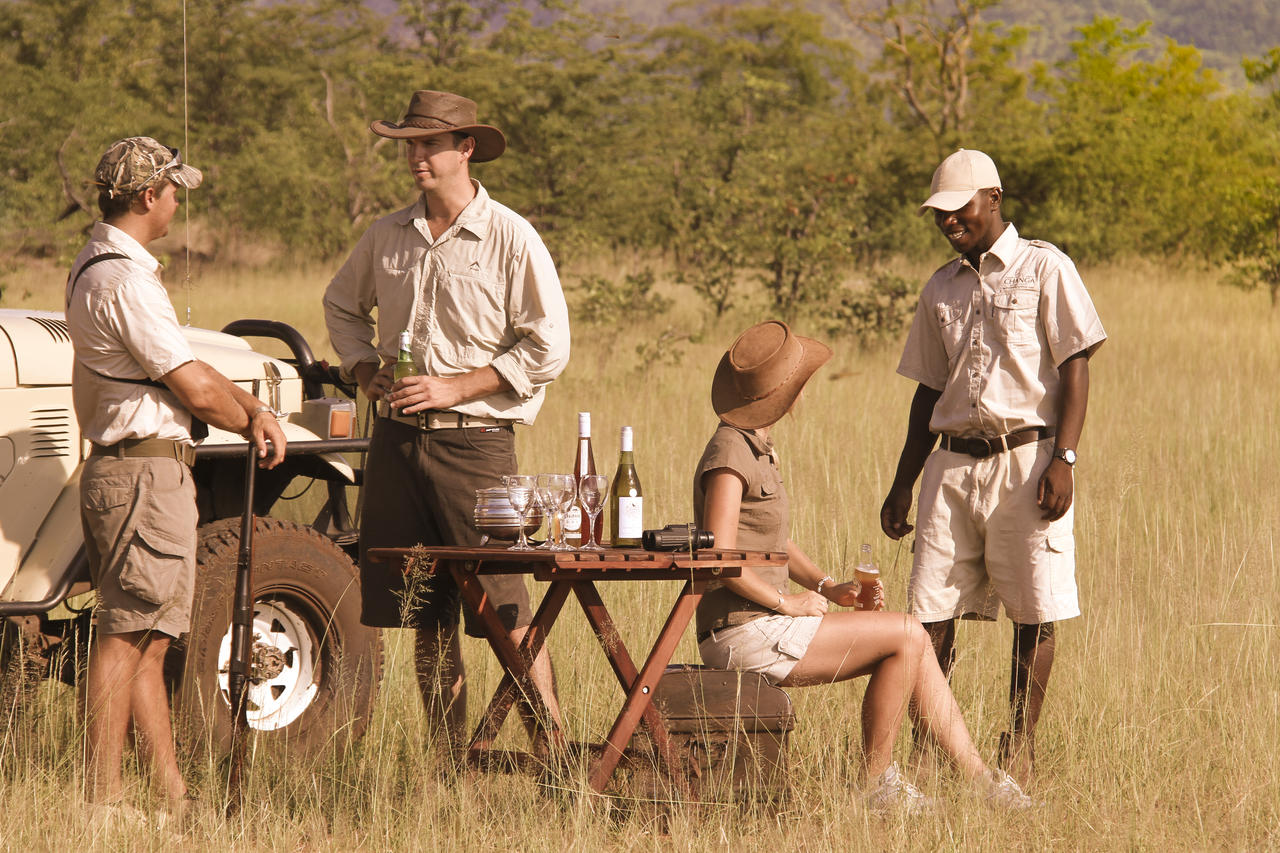
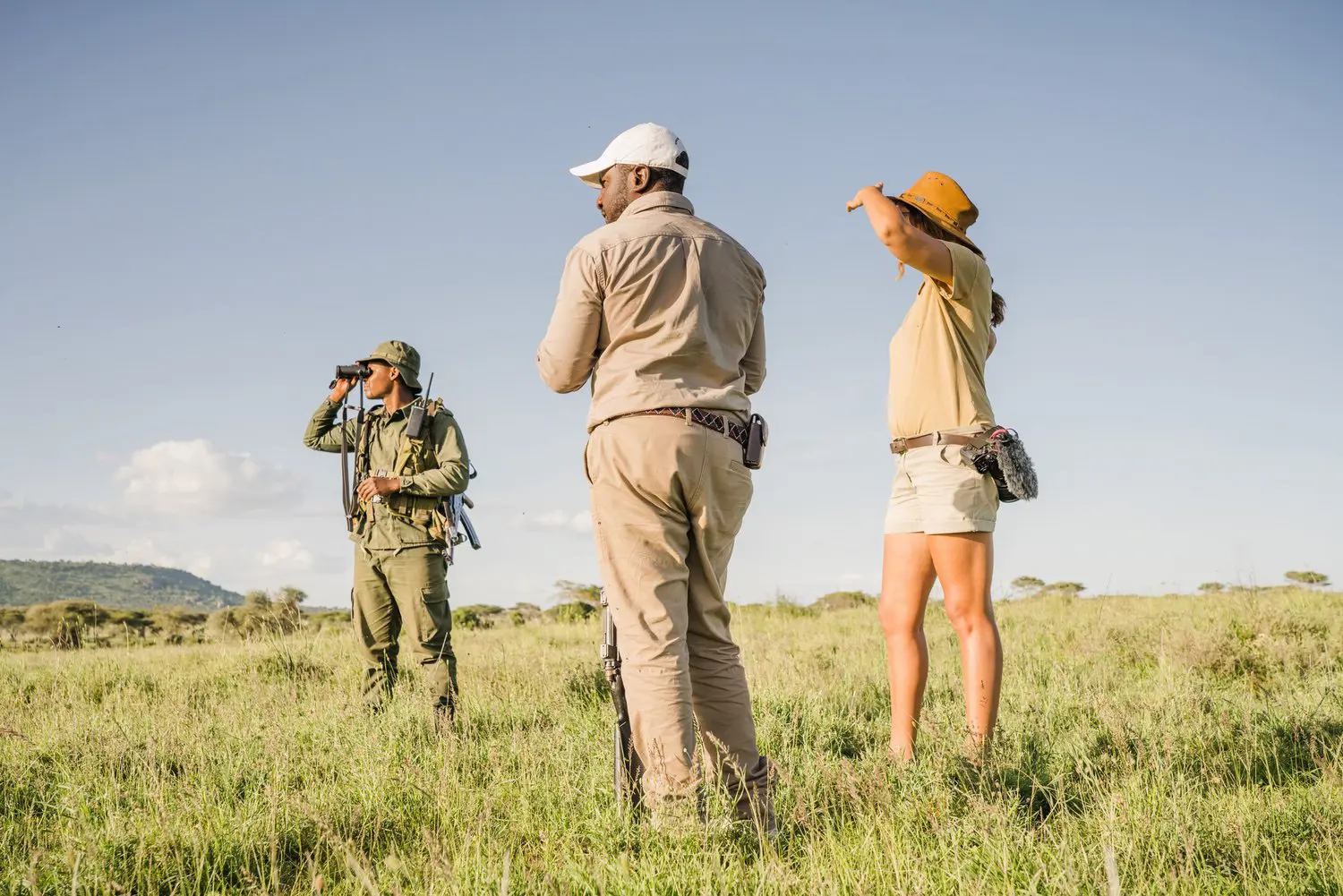
Lightweight clothing in neutral tones such as khaki, beige, and olive green is highly recommended for blending into the natural surroundings. Breathable fabrics like cotton or moisture-wicking materials help regulate body temperature during warm daytime conditions. Layered outfits are essential because early morning and evening game drives can be cool before the sun rises fully over the savannah. Long-sleeved shirts and trousers provide protection against insects, particularly for guests interested in Rwanda Birding Safaris around wetlands and lakeshores.
Comfortable walking shoes or hiking boots offer stability during stopovers and short guided walks. Wide-brimmed hats shield against direct sunlight, while sunglasses reduce glare for clearer wildlife observation. Sunscreen, insect repellent, and reusable water bottles support both personal health and environmental sustainability. High-quality binoculars and a camera with extra memory cards are invaluable for capturing Akagera’s spectacular scenery and wildlife encounters. Understanding What Should I Pack for a Wildlife Safari in Rwanda? prepares visitors for a seamless adventure within Akagera National Park, ensuring readiness for diverse safari activities.
How Do You Reach Akagera National Park and What Travel Essentials Are Required?
Organizing travel logistics plays a significant role when considering What Should I Pack for a Wildlife Safari in Rwanda? Akagera National Park is approximately two to three hours by road from Kigali, Rwanda’s modern and exceptionally clean capital. International visitors typically arrive through Kigali International Airport, which connects Rwanda to major cities worldwide.
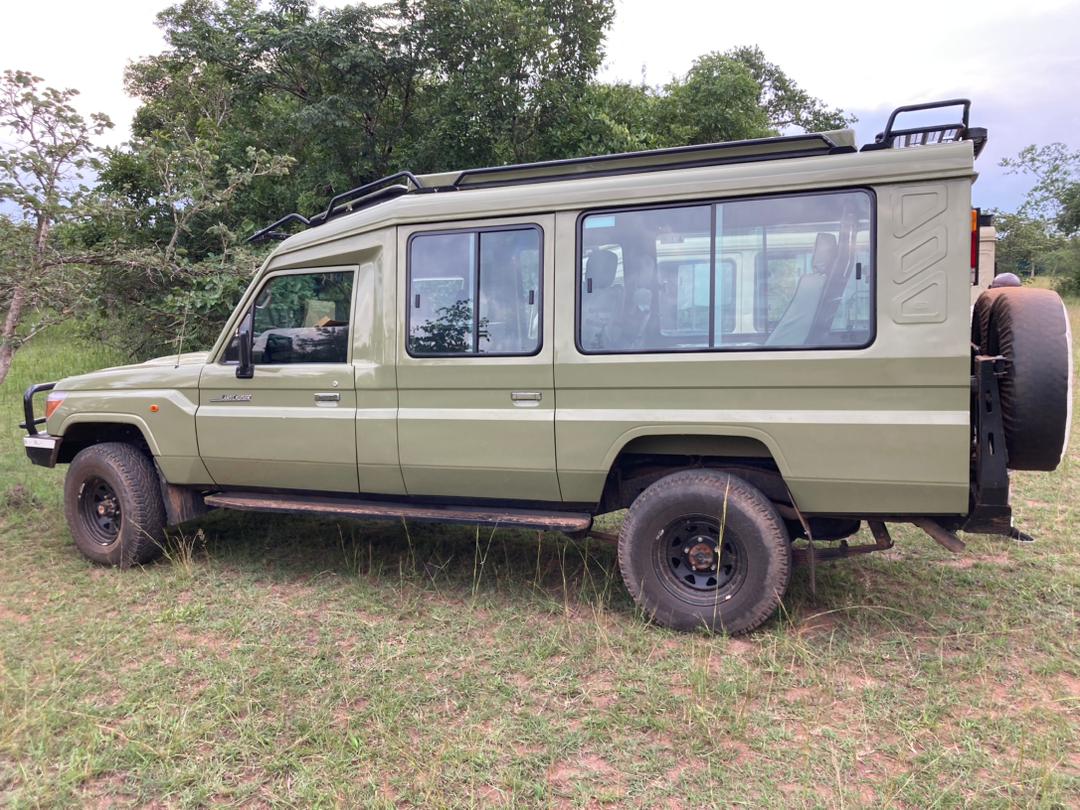
Reliable 4×4 safari vehicles arranged by Kigali City Tours provide comfortable transfers from Kigali to the park. Scenic drives through rolling hills and rural landscapes offer travelers a memorable introduction to Rwanda Safaris. Soft-sided duffel bags are recommended for easy storage in safari vehicles, especially when moving between lodges. Essential travel documents including passports, visas, travel insurance, vaccination certificates, and printed booking confirmations should be securely organized in waterproof holders. Electrical adapters compatible with Rwanda’s power outlets ensure uninterrupted charging of cameras and phones. Portable power banks are helpful during extended game drives where charging points may be unavailable. Personal medications, basic first-aid kits, and hand sanitizers contribute to safe and responsible travel. Preparing these essentials answers a crucial part of What Should I Pack for a Wildlife Safari in Rwanda?, ensuring peace of mind throughout the journey.
What Are the Expectations, Costs, and Best Time for This Safari?
Evaluating expectations is equally important when asking What Should I Pack for a Wildlife Safari in Rwanda? Akagera National Park offers morning and afternoon game drives led by knowledgeable guides who provide in-depth insights into animal behavior, conservation strategies, and ecosystem management. Visitors can anticipate close encounters with diverse wildlife species and exceptional photographic opportunities across open plains and scenic lakes. Considering seasonal patterns enhances safari planning. Dry seasons, typically from June to September and December to February, are regarded as the best time for Rwanda Best Safari experiences because animals gather near water sources, improving visibility. Wet months bring lush greenery and create ideal conditions for Rwanda Birding Safaris, attracting migratory species and vibrant landscapes.
Budgeting accurately ensures a smooth travel experience. A two-day safari in Akagera National Park generally ranges from $600 to $1,500 per person depending on accommodation category, park fees, and inclusions. Luxury lodges command higher rates, while mid-range options provide excellent value. Combining Rwanda Safaris with Uganda Safaris, such as cross-border gorilla trekking extensions, allows travelers to experience broader East African biodiversity within a single itinerary. Choosing Kigali City Tours guarantees professional planning, transparent pricing, and personalized service grounded in local expertise. Trusted guidance, safety-focused operations, and strong conservation partnerships establish our reputation as a reliable authority in African tourism. Ultimately, understanding What Should I Pack for a Wildlife Safari in Rwanda? empowers every traveler to embark on a confident, well-prepared, and transformative wildlife journey in the heart of East Africa.
Related Posts