
What permits are required for hiking? What permits are required for hiking? A Complete Guide…
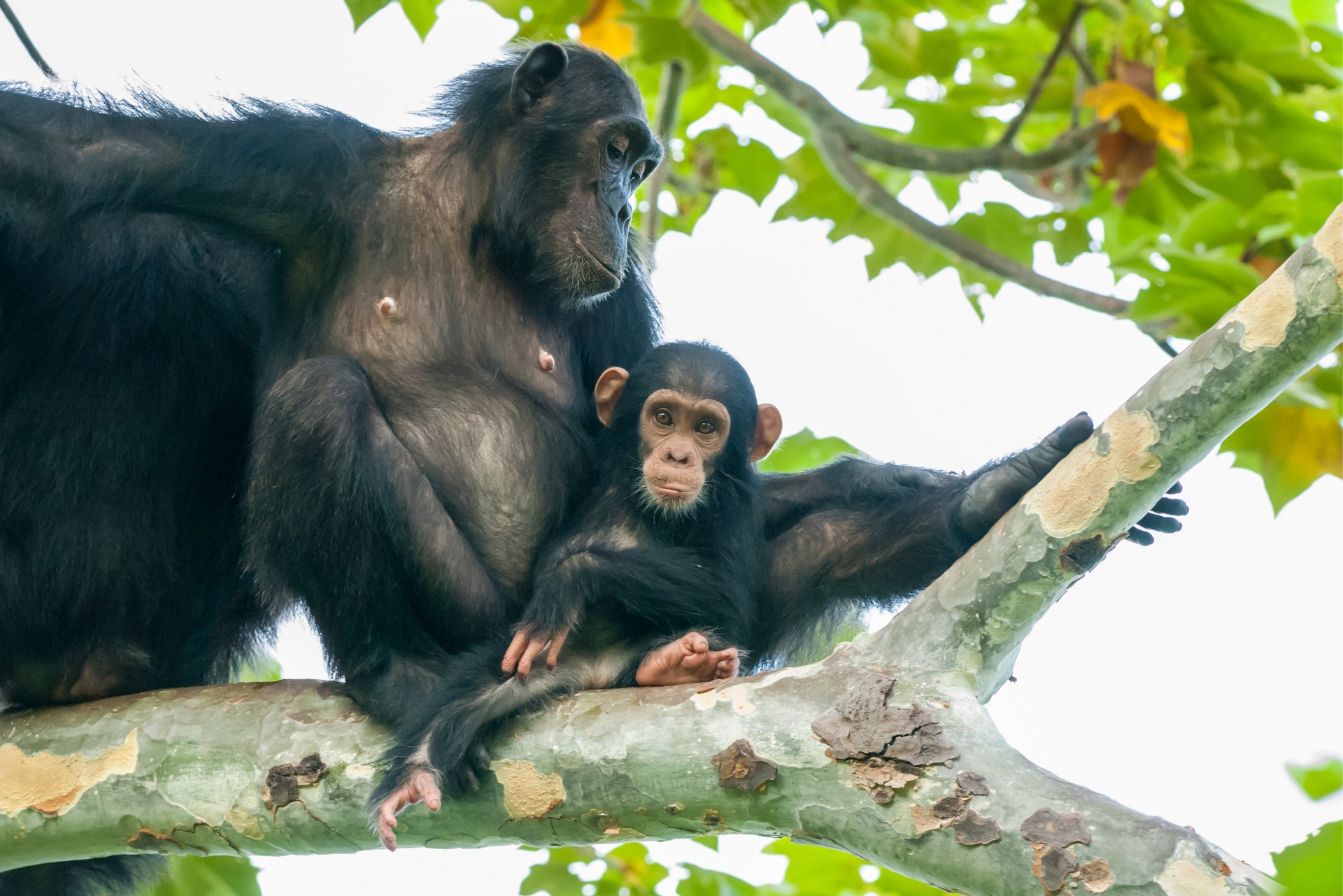
How Many Chimpanzees Live in Nyungwe Forest?
How Many Chimpanzees Live in Nyungwe Forest?
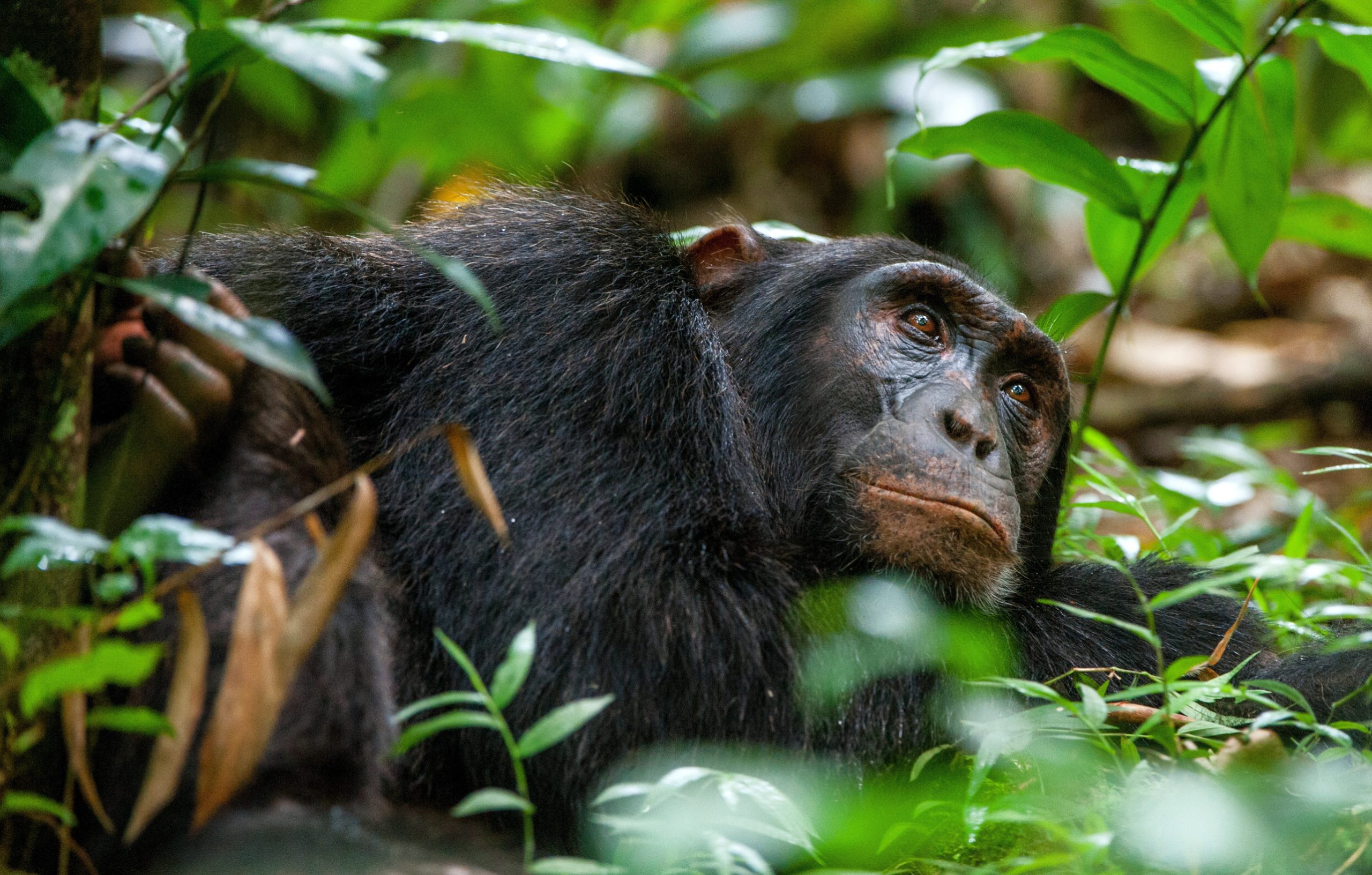
Rwanda has emerged as one of Africa’s premier safari destinations, offering visitors unparalleled opportunities to explore diverse ecosystems and encounter unique wildlife. Among its most compelling attractions is Nyungwe Forest National Park, a vast expanse of pristine rainforest that houses one of the continent’s largest communities of wild chimpanzees. How many chimpanzees live in Nyungwe Forest? Current research estimates that Nyungwe is home to approximately 400 chimpanzees, making it a critical site for both conservation and wildlife tourism. Visitors embarking on Rwanda Chimpanzee Tracking adventures can witness these intelligent primates in their natural environment, observe their social behavior, and gain insights into their complex interactions. Rwanda Safaris in Nyungwe also extend beyond primate tracking, offering opportunities for Rwanda Birding Safaris where bird enthusiasts can spot over 300 species, including endemic and migratory birds. Each safari experience is designed to combine adventure with learning, ensuring travelers not only witness Rwanda’s incredible biodiversity but also gain a deeper appreciation of conservation efforts and local culture. Kigali City Tours specializes in crafting immersive, responsible safaris that balance wildlife encounters with sustainable tourism practices, positioning your journey as both educational and transformative.
Why Is Nyungwe Forest Ideal for Chimpanzee Safaris?
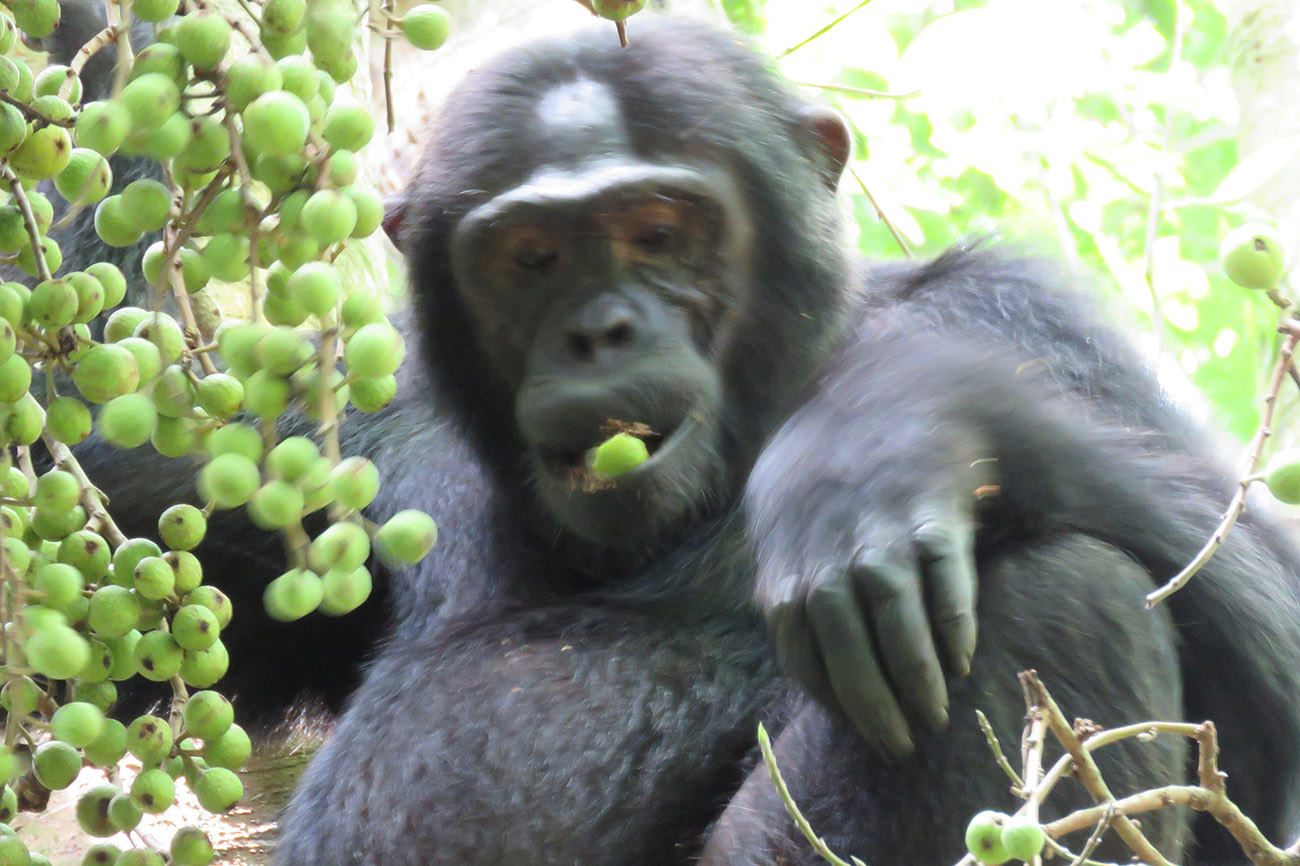
Nyungwe Forest’s unique ecosystem makes it one of the most important wildlife habitats in East Africa. Chimpanzees thrive here thanks to the dense canopy, abundant fruiting trees, and undisturbed terrain that supports complex social groups. How many chimpanzees live in Nyungwe Forest? With approximately 400 individuals spread throughout the park, visitors have excellent chances of witnessing natural chimpanzee behaviors such as feeding, grooming, and playful interactions. Besides chimpanzees, Nyungwe is also a hotspot for Rwanda Birding Safaris, offering sightings of rare species like the African Green Broadbill and Chapin’s Flycatcher. Cultural immersion complements these wildlife adventures through visits to neighboring communities, where travelers can participate in traditional dances, craft-making, and culinary experiences, providing context to Rwanda Cultural Safaris. Choosing Nyungwe Forest for your Rwanda Best Safaris guarantees an unforgettable journey that combines wildlife expertise, cultural engagement, and scenic exploration, all under the guidance of experienced trackers who understand chimpanzee behavior and forest ecology.
How to Reach Nyungwe Forest for Chimpanzee Tracking?
Reaching Nyungwe Forest is an adventure in itself, showcasing Rwanda’s scenic beauty en route. Most travelers arrive via Kigali International Airport, which offers international connections and modern facilities. How many chimpanzees live in Nyungwe Forest? From Kigali, the park is approximately a six-hour drive through rolling hills, tea plantations, and vibrant rural landscapes, providing an immersive introduction to Rwanda’s natural and cultural richness. Early arrivals or overnight stays near the park allow visitors to embark on Rwanda Chimpanzee Tracking treks at the best times, enhancing the chances of close encounters with chimpanzees. Transport and logistics are made seamless when booking through Kigali City Tours, which provides guided transfers, accommodations, and detailed itineraries. This level of expertise ensures that every aspect of the safari, from arrival to wildlife encounters, aligns with best practices in sustainable tourism, providing visitors with a safe, comfortable, and enriching experience.
What Can Travelers Expect During a Chimpanzee Safari?
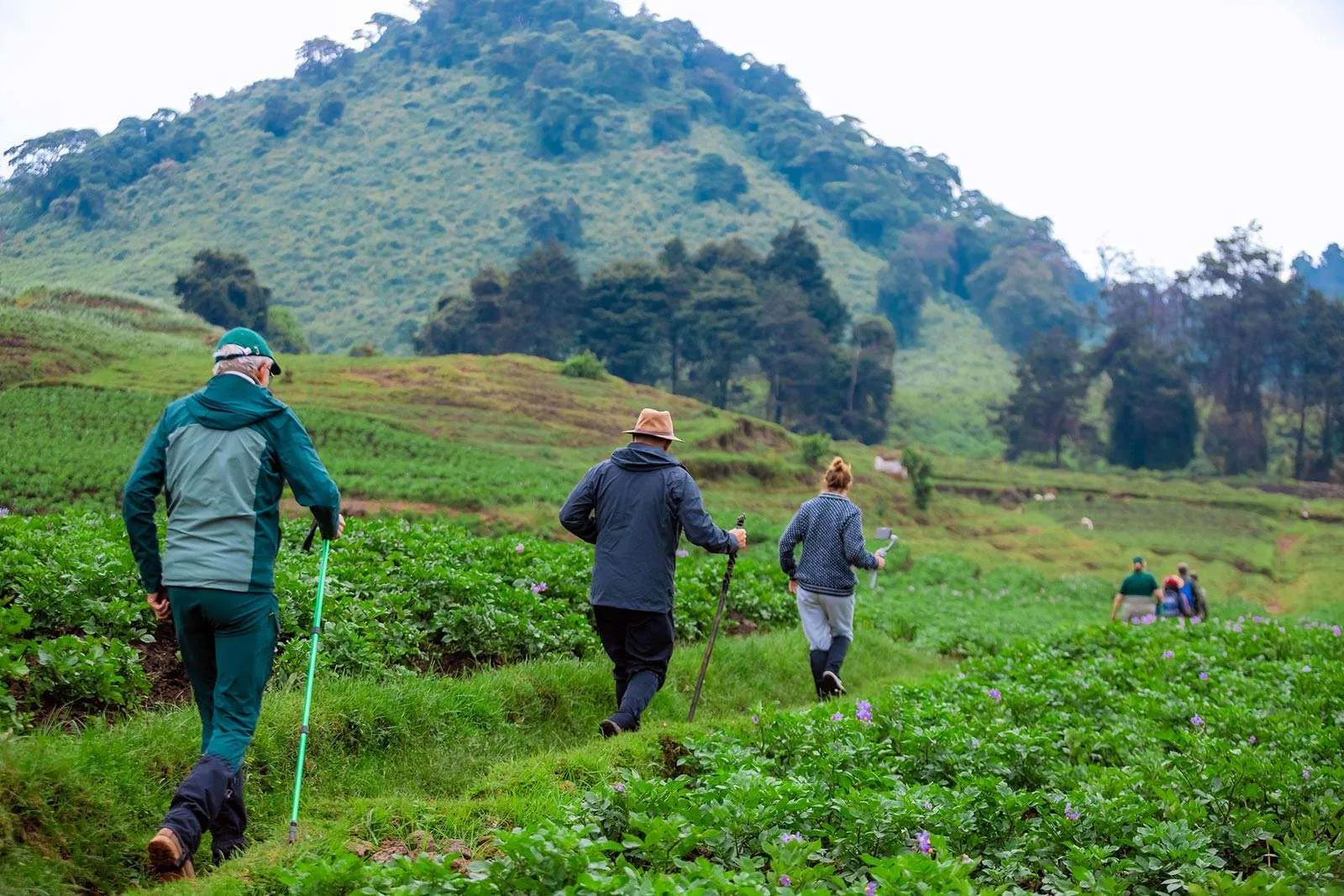
Rwanda Chimpanzee Tracking offers a blend of adventure, education, and immersive natural observation. What is remarkable about Nyungwe Forest is the ability to see chimpanzees up close while learning about their behaviors, social structures, and interactions with the environment. How many chimpanzees live in Nyungwe Forest? The population of approximately 400 individuals allows trackers to predict activity patterns and optimize the trekking experience, particularly during early morning excursions when chimpanzees are most active. Trails vary in difficulty, offering options for both moderate and challenging hikes, ensuring accessibility for different types of travelers. Beyond primate tracking, visitors can explore Rwanda Birding Safaris, spotting exotic species amid the lush rainforest canopy. Additionally, Rwanda Cultural Safaris provide opportunities to engage with local communities, experiencing traditional music, dance, and culinary practices, enhancing the holistic safari experience. Kigali City Tours ensures that each journey is carefully planned, balancing adventure, safety, and education, creating memories that last a lifetime.
How Much Does a Chimpanzee Safari in Nyungwe Forest Cost?
Understanding the cost structure of Rwanda Chimpanzee Tracking is essential for planning an informed safari experience. Permit fees, which fund conservation efforts, form the primary expense for chimpanzee trekking. How many chimpanzees live in Nyungwe Forest? Treks into Nyungwe typically cost between $90 and $150 per person for permits alone, depending on the season. Complete Rwanda Safaris packages, which include guided tours, accommodations, meals, and transfers, provide greater value and convenience for international travelers. Kigali City Tours offers customized packages for Rwanda Best Safaris, ensuring that clients receive an all-inclusive experience tailored to their interests, whether focused on wildlife, birding, or cultural exploration. Transparent pricing combined with expert guidance ensures that every dollar contributes to sustainable tourism, conservation initiatives, and enriching guest experiences, reinforcing Rwanda’s reputation as a world-class safari destination.
When Is the Best Time to Track Chimpanzees in Nyungwe Forest?
Seasonality plays a critical role in maximizing chimpanzee sightings and overall safari enjoyment. Rwanda experiences two main dry seasons, from June to September and December to February, which are ideal for trekking due to firmer trails and consistent wildlife activity. How many chimpanzees live in Nyungwe Forest? Despite seasonal variations, early morning tracking sessions remain the optimal time of day to encounter chimpanzees, when they are actively foraging and socializing. Trekking during dry seasons also improves access to other attractions such as Rwanda Birding Safaris and cultural village visits, ensuring a well-rounded experience. Kigali City Tours advises clients on the best periods for travel based on wildlife behavior, weather conditions, and personal preferences, guaranteeing that each safari aligns with optimal viewing conditions and comfort. Careful timing enhances both the quality of wildlife encounters and the overall satisfaction of the safari adventure.
What Cultural Experiences Can Be Paired with Chimpanzee Safaris?
Cultural engagement adds depth and context to the natural wonders of Rwanda, creating a richer travel experience. Travelers can visit local communities around Nyungwe Forest to learn about traditional crafts, witness dance performances, and participate in culinary demonstrations, offering insights into Rwanda’s vibrant heritage. How many chimpanzees live in Nyungwe Forest? While chimpanzee tracking is a morning activity, afternoons can be devoted to these cultural experiences, creating a balanced and immersive itinerary. Rwanda Cultural Safaris highlight Rwanda’s resilience, artistry, and social traditions, complementing the wildlife adventure. Kigali City Tours ensures that cultural interactions are conducted responsibly, providing authentic experiences that benefit both visitors and local communities. This combination of nature and culture positions Rwanda Safaris as transformative journeys, fostering appreciation for biodiversity and human heritage alike.
Why Choose Kigali City Tours for Your Chimpanzee Safari?
Selecting the right safari operator is essential for a seamless and rewarding experience. Kigali City Tours is recognized for its expertise, professionalism, and commitment to sustainable tourism. How many chimpanzees live in Nyungwe Forest? With around 400 chimpanzees residing in the park, our guides use their knowledge to plan optimal trekking routes and ensure meaningful wildlife encounters. Beyond chimpanzee tracking, the company provides Rwanda Birding Safaris, cultural tours, and luxury accommodations, creating fully curated Rwanda Best Safaris. By prioritizing Experience, Expertise, Authoritativeness, and Trustworthiness, Kigali City Tours establishes itself as a reliable source for Africa Tourism content, offering travelers unmatched guidance, comfort, and conservation-focused adventures. Choosing a professional operator guarantees safety, efficiency, and unforgettable memories, reinforcing Rwanda’s position as a world-class safari destination.
Conclusion: Experiencing Nyungwe Forest and Its Chimpanzees
Nyungwe Forest National Park offers a unique window into Rwanda’s extraordinary biodiversity and cultural richness. How many chimpanzees live in Nyungwe Forest? Approximately 400 individuals inhabit the park, providing opportunities for close observation and enriching wildlife experiences. Early morning treks combined with cultural interactions create a fully immersive itinerary, allowing visitors to experience Rwanda Safaris in a comprehensive and meaningful way. Rwanda Chimpanzee Tracking, Rwanda Birding Safaris, and Rwanda Cultural Safaris together form a compelling narrative of conservation, adventure, and human heritage. Kigali City Tours curates every aspect of the journey to ensure safety, learning, and unforgettable encounters, positioning the brand and destination as trusted authorities in Africa Tourism. Experiencing chimpanzees in Nyungwe is not just a safari—it is a transformative journey that connects travelers with nature, culture, and the broader goals of conservation.
Related Posts