How Long Are Typical Hiking Tours? How long are typical hiking tours? A Complete Guide…
How Close Can Visitors Get to the Monkeys?
How Close Can Visitors Get to the Monkeys?
When planning a primate trekking adventure in East Africa, one of the most common questions travelers ask is: How close can visitors get to the monkeys? This is an important consideration for both safety and wildlife conservation, especially when observing highly active primates such as golden monkeys, colobus monkeys, and other forest species. At Kigali City Tours, we design expertly guided Rwanda Safaris, reliable Car Rental services, and well-structured itineraries that ensure travelers enjoy the most rewarding Rwanda Best Safari experiences while maintaining responsible wildlife viewing standards.
Understanding How close can visitors get to the monkeys is essential because it directly affects both the visitor experience and the wellbeing of the animals. In Rwanda’s Volcanoes National Park and Uganda’s Mgahinga Gorilla National Park, strict wildlife guidelines are in place to ensure a safe distance between humans and primates. These rules are designed to minimize stress on the animals while still allowing visitors to observe them in their natural habitat.
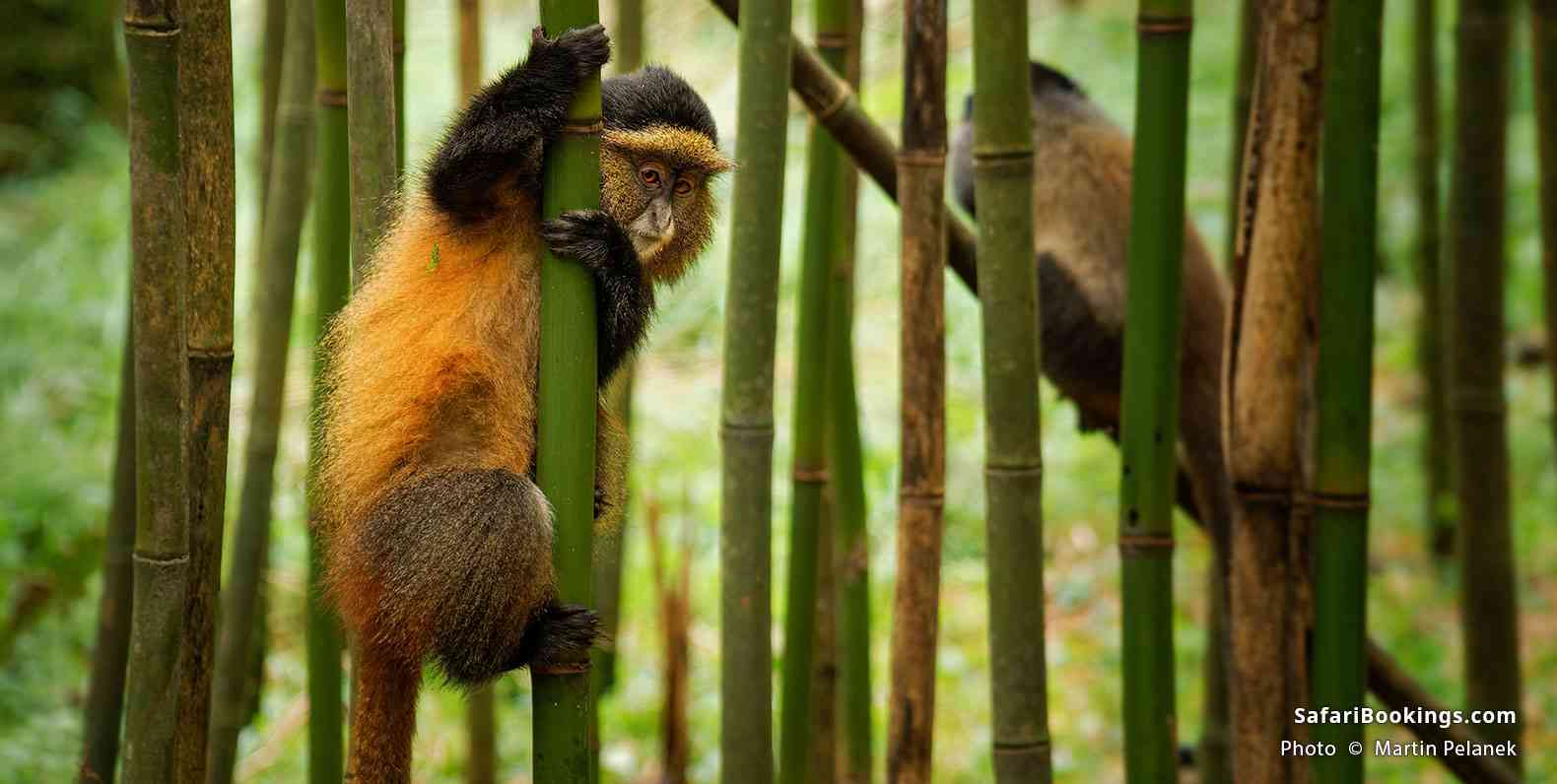
Golden monkeys, for example, are playful and fast-moving creatures that often stay in bamboo forests. While they may sometimes come closer out of curiosity, visitors are required to maintain a respectful distance at all times as instructed by park rangers. This ensures a balance between immersive wildlife encounters and conservation protection.
At Kigali City Tours, we prioritize ethical tourism practices that enhance your safari experience without disturbing wildlife behavior. This guide explores How close can visitors get to the monkeys, offering expert insights that reflect our commitment to Experience, Expertise, Authoritativeness, and Trustworthiness in African tourism.
Wildlife Viewing Guidelines: Understanding How Close Can Visitors Get to the Monkeys
To fully understand How close can visitors get to the monkeys, it is important to explore the official wildlife viewing guidelines that govern primate trekking in East Africa. These rules are carefully designed to protect both visitors and animals while ensuring meaningful wildlife encounters.
Minimum Viewing Distance Rules
One of the key aspects of How close can visitors get to the monkeys is the minimum distance requirement. Visitors are generally required to maintain a distance of at least 7–10 meters from primates during observation.
This guideline applies during Rwanda Safaris and is strictly enforced by park rangers to ensure safe and ethical wildlife viewing. It also contributes to a more authentic Rwanda Best Safari experience, where animals behave naturally without human interference.
Natural Animal Behavior and Movement
Monkeys, especially golden monkeys, are highly active and may move closer or further away depending on their behavior. However, visitors are still required to avoid approaching them directly.
Understanding How close can visitors get to the monkeys also means recognizing that animals control the interaction, not humans. This ensures a more natural and respectful safari experience.
Role of Park Rangers
Park rangers play a critical role in maintaining safe distances. They guide visitor movement, ensure compliance with rules, and help interpret primate behavior during the trek.
When Is The Best Time for This Safari? Conditions That Influence Viewing Distance
Understanding When is the best time for this safari is closely linked to How close can visitors get to the monkeys, as seasonal conditions influence visibility, movement patterns, and trekking comfort.
Dry Season for Clear Viewing Opportunities
The best time for Rwanda Safaris is during the dry seasons from June to September and December to February. During these months, vegetation is less dense, making it easier to observe monkeys from a safe distance.
These conditions are ideal for travelers seeking the Rwanda Best Safari, as visibility is improved and photography opportunities are enhanced.
Wet Season for Forest Immersion
During the rainy seasons, monkeys tend to stay deeper in the forest due to abundant food sources. While this may slightly affect visibility, it offers a more immersive jungle experience.
With reliable Car Rental services from Kigali City Tours, travelers can comfortably access park entrances regardless of weather conditions.
Year-Round Wildlife Encounters
Monkey trekking is available throughout the year, and the rules on How close can visitors get to the monkeys remain consistent in all seasons, ensuring safety and conservation at all times.
Why Choose Us for This Particular Safari? Expert Guided and Responsible Wildlife Experiences
Selecting the right tour operator is essential when learning How close can visitors get to the monkeys. At Kigali City Tours, we are committed to delivering safe, ethical, and unforgettable safari experiences across Rwanda.
Tailor-Made Rwanda Safaris
We design personalized Rwanda Safaris that include golden monkey trekking, gorilla trekking, and wildlife photography tours. Each itinerary is carefully structured to deliver the best Rwanda Best Safari experience while respecting wildlife regulations.
Reliable Transport and Car Rental Services
Our professional Car Rental services ensure safe and comfortable travel to national parks. Our vehicles are well-equipped for Rwanda’s mountainous terrain, ensuring smooth safari logistics.
Experienced Wildlife Guides
Our expert guides are trained in primate behavior and conservation ethics. They ensure visitors fully understand How close can visitors get to the monkeys while maintaining safe and respectful viewing distances.
Commitment to Conservation and Safety
At Kigali City Tours, we promote responsible tourism that protects wildlife and supports conservation efforts. Every safari is designed to minimize human impact while maximizing educational value.
By choosing Kigali City Tours, you partner with a trusted expert who fully understands How close can visitors get to the monkeys and transforms your safari into a safe, ethical, and unforgettable African wildlife experience.
Related Posts