What Is the Minimum Age for Chimpanzee Tracking in Rwanda? Travelers planning a wildlife adventure…
How Many People Are Allowed per Chimpanzee Group?
How Many People Are Allowed per Chimpanzee Group?
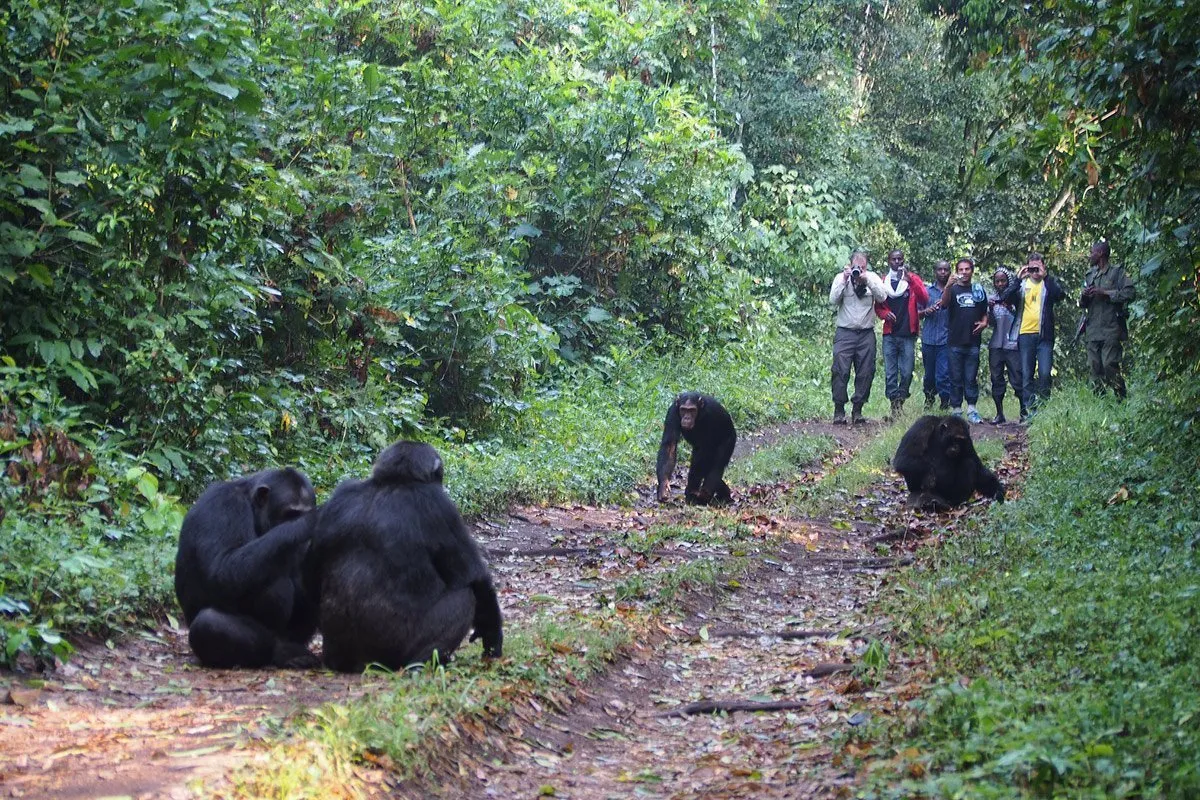
Travelers interested in primate tracking often ask a crucial question: How many people are allowed per chimpanzee group? Understanding group size is essential for planning a responsible and unforgettable safari experience in East Africa. Both Rwanda Safaris and Uganda Safaris offer exceptional opportunities to encounter chimpanzees in their natural habitats, but strict rules and conservation measures regulate interactions to ensure the safety of both visitors and wildlife. For travelers seeking the Rwanda Best Safari or Uganda’s chimpanzee trekking experiences, knowing these guidelines is vital for a smooth and rewarding journey.
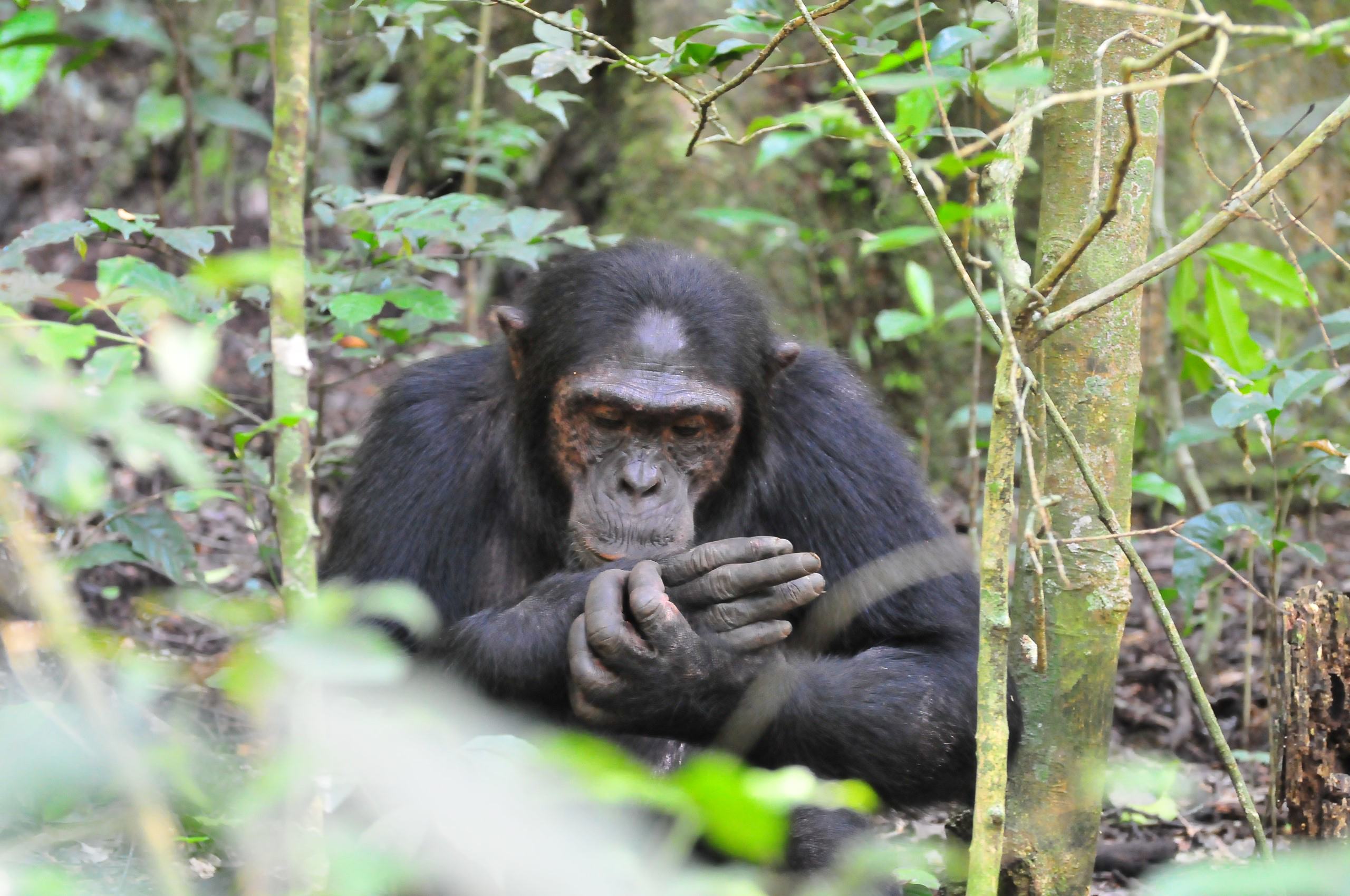
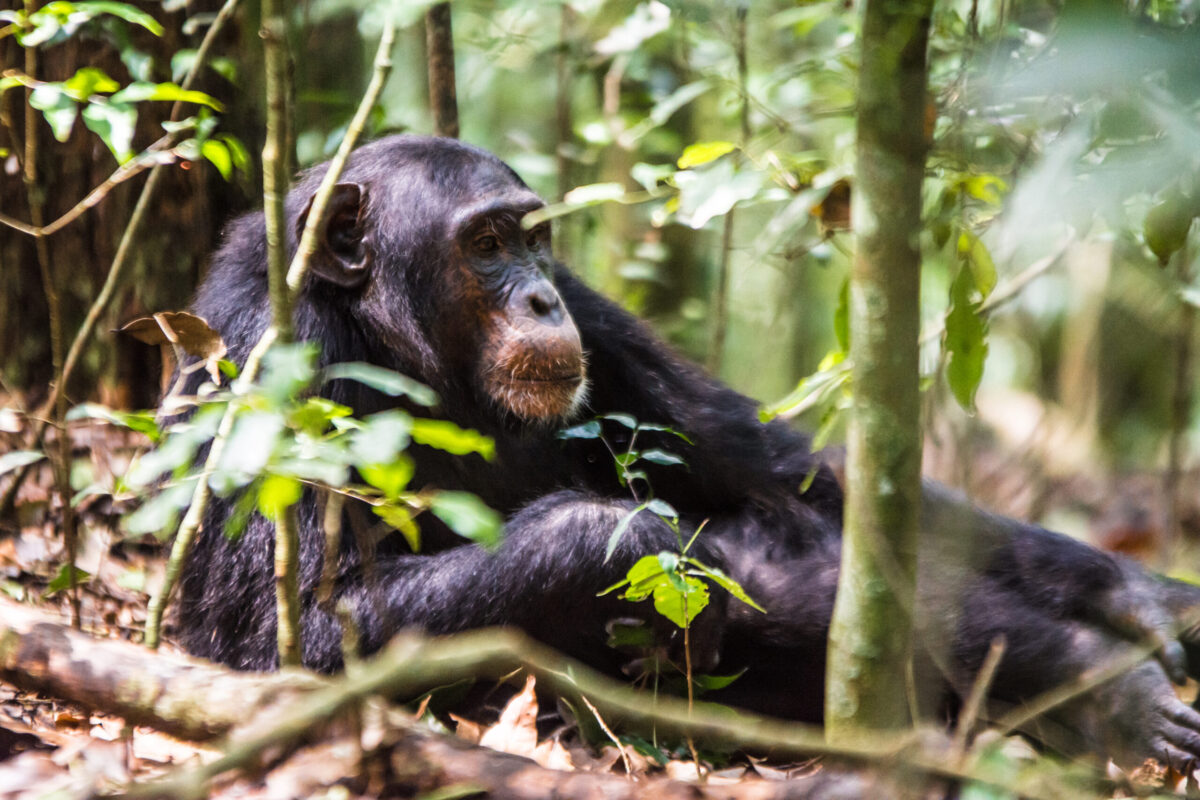
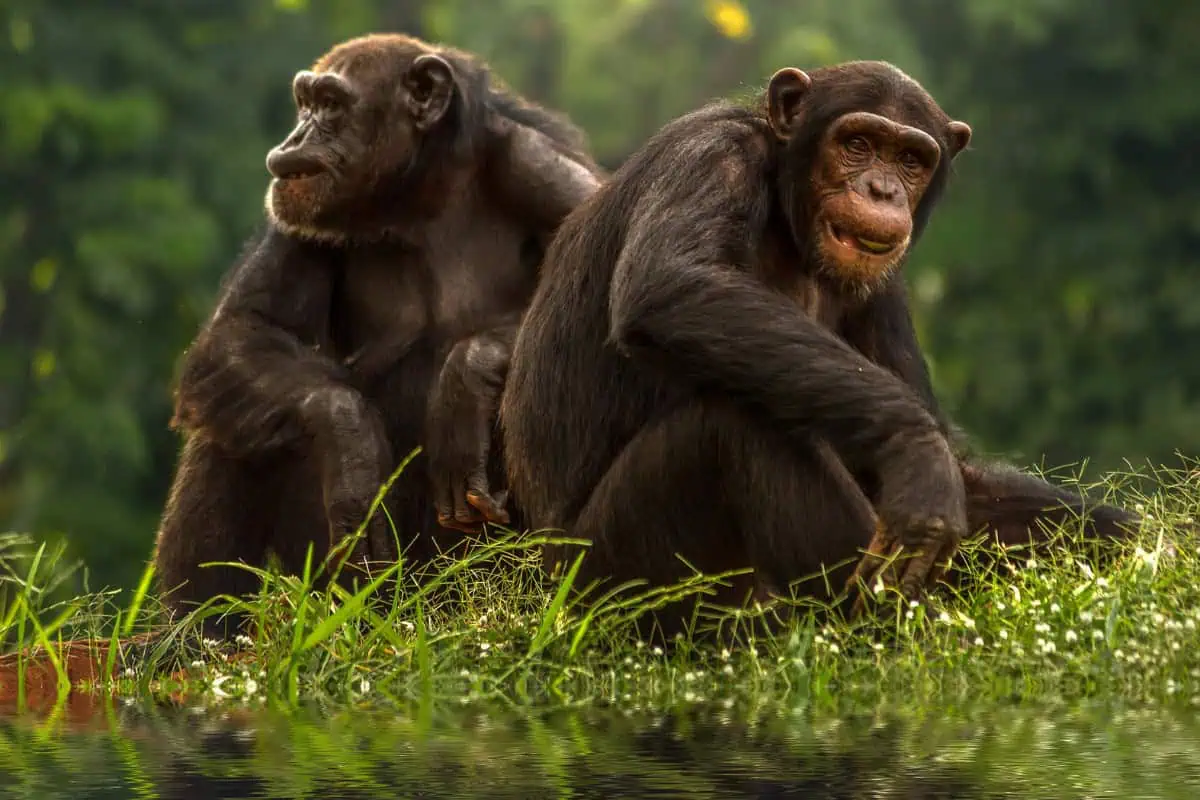
Chimpanzees are highly intelligent, social primates that thrive in complex communities. Their behavior is sensitive to human presence, which is why the number of visitors allowed per group is carefully controlled. Typically, national parks such as Rwanda’s Nyungwe Forest National Park and Uganda’s Kibale Forest National Park allow only 6 to 8 people per chimpanzee tracking group. This limit ensures minimal disturbance to the animals while enabling each visitor to have an intimate, close-up encounter. Guided treks with expert naturalists and trackers enhance the experience, combining wildlife observation with educational insights, which are integral to the appeal of Rwanda Safaris and Rwanda Birding Safaris.
Conservation and sustainability remain central to chimpanzee trekking regulations. By limiting group sizes, parks can reduce stress on primate communities, preserve natural behaviors, and prevent habitat degradation. Visitors also gain a more personalized experience, as smaller groups allow guides to explain chimpanzee behavior, social dynamics, and the ecological importance of primates in forest ecosystems. Such guided interactions reflect why Rwanda Cultural Safaris and wildlife tours increasingly emphasize education alongside adventure. Knowing how many people are allowed per chimpanzee group allows travelers to set expectations, plan logistics, and ensure a truly memorable safari experience that respects wildlife conservation principles.
Nyungwe Forest National Park: How Do Visitor Limits Enhance the Chimpanzee Experience?
One of the most acclaimed destinations for chimpanzee trekking in East Africa is Rwanda’s Nyungwe Forest National Park. Visitors frequently ask: How many people are allowed per chimpanzee group? At Nyungwe, strict regulations limit each trekking group to 6 people, guided by trained local naturalists. This small group size guarantees a safe, immersive, and responsible experience while allowing travelers to observe chimps’ intricate social interactions, feeding habits, and vocal communications without causing stress.
Nyungwe Forest is renowned for its biodiversity, making Rwanda Safaris here a rich combination of primate tracking, birdwatching, and cultural immersion. Bird enthusiasts can enjoy the Rwanda Birding Safaris, spotting species such as the red-collared mountain babbler, great blue turaco, and numerous endemic birds. Meanwhile, cultural tours within nearby communities provide insights into Rwandan traditions, music, and craftsmanship, enhancing the overall value of Rwanda Cultural Safaris.
Logistics for visiting Nyungwe are straightforward. Travelers typically reach the park via Kigali International Airport, followed by a scenic 5–6 hour drive through Rwanda’s picturesque landscapes. Pre-booking chimpanzee permits is mandatory, and the limit of 6 people per group ensures equitable access while protecting the primates’ welfare. Visitors can expect moderately challenging treks through dense forest, with occasional elevation gains and muddy trails. Despite these physical demands, the reward of witnessing chimpanzees in their natural setting makes the Rwanda Best Safari experience unparalleled.
Costs for chimpanzee trekking at Nyungwe vary depending on the season and tour package. Standard permits start around $90–$100 per person, with higher-end options offering private guides and luxury lodge accommodations. The best time to trek is during the dry seasons, from June to September and December to February, when forest trails are less slippery and wildlife activity is more predictable. Choosing Kigali City Tours ensures expertly guided tours, responsible wildlife encounters, and a seamless combination of primate, bird, and cultural experiences.
Kibale Forest National Park: Why Are Group Limits Critical for Chimpanzee Tracking?
Travelers exploring Uganda’s chimpanzee destinations often ask: How many people are allowed per chimpanzee group? In Uganda, Kibale Forest National Park regulates group sizes to 6–8 participants per tracking group, similar to Rwanda’s standards. These limits provide intimate access to habituated chimpanzee communities while maintaining ethical standards and minimizing human impact on their natural behaviors.
Kibale Forest is part of a broader Uganda Safaris ecosystem, offering visitors opportunities to experience primates, diverse birdlife, and cultural interactions in nearby villages. Visitors often combine chimpanzee tracking with Rwanda Birding Safaris or primate photography sessions, capturing rare species in lush forest settings. Guided by professional trackers, travelers gain a deep understanding of chimpanzee social hierarchies, nesting behavior, and communication patterns, making each trekking experience highly educational and memorable.
Accessing Kibale is convenient for travelers entering through Entebbe International Airport. The park is approximately a 5–6 hour drive from Kampala, and travelers can combine chimpanzee trekking with broader Uganda Best Safari itineraries, including safaris in Queen Elizabeth National Park and Lake Mburo National Park. Trekking expectations include 2–5 hours of guided walking through dense forest terrain, with varying elevation and occasional slippery patches. These experiences are enhanced by limiting group sizes, ensuring personalized attention from guides and greater wildlife visibility.
Chimpanzee tracking permits in Kibale range from $150–$200 per person, depending on inclusions such as park fees, accommodation, and private guiding. The dry months of June to September and December to February provide ideal trekking conditions. Choosing Kigali City Tours ensures visitors enjoy expertly organized treks, ethical wildlife interactions, and integrated cultural experiences, highlighting the importance of small group sizes for both safety and quality of experience.
What Are the Expectations and Cultural Highlights in Chimpanzee Safaris?
Understanding how many people are allowed per chimpanzee group directly impacts what travelers can expect during the safari. Participants should anticipate early morning departures, moderate trekking distances, and close guidance from professional trackers. Treks emphasize patience, quiet observation, and respect for wildlife behavior, making these experiences both intimate and deeply educational.
Cultural immersion forms a key component of Rwanda Cultural Safaris. Visitors can engage with local communities, learn traditional dances, participate in crafts workshops, and explore village life. These experiences complement primate trekking and enrich broader Rwanda Safaris or combined Uganda and Rwanda safari itineraries.
By limiting group sizes, national parks maintain sustainable wildlife interactions while ensuring visitors receive personalized guidance, safety instructions, and expert commentary on chimpanzee behavior. Combining chimpanzee trekking with Rwanda Birding Safaris or cultural excursions allows travelers to maximize their safari experience while preserving conservation standards.
Why Choose Kigali City Tours for Chimpanzee Tracking?
Selecting a professional safari operator is critical for ethical and safe wildlife encounters. Kigali City Tours specializes in expertly guided Rwanda Safaris, Rwanda Birding Safaris, and Rwanda Cultural Safaris, ensuring travelers experience every aspect of Uganda and Rwanda’s primate and wildlife destinations responsibly.
Small group limits, expert guides, pre-arranged logistics, and integrated cultural visits provide a high-quality, immersive adventure. By following conservation guidelines and prioritizing safety, Kigali City Tours ensures that visitors not only witness chimpanzees in their natural environment but also contribute to sustainable tourism practices, making their safari both memorable and meaningful.
By understanding how many people are allowed per chimpanzee group, travelers can plan effectively, set realistic expectations, and enjoy a personalized experience that represents the best of East African wildlife, birding, and cultural immersion.
Related Posts