How Early Should I Book a Big Five Safari? How early should I book a…
How Physically Demanding Is Chimpanzee Tracking?
How Physically Demanding Is Chimpanzee Tracking?
Introduction: Understanding “How Physically Demanding Is Chimpanzee Tracking?”
Planning an unforgettable African safari often begins with critical practical questions, such as How physically demanding is chimpanzee tracking? Rwanda has become a premier destination for wildlife enthusiasts seeking intimate encounters with endangered primates. Kigali City Tours proudly offers insights into this thrilling experience, emphasizing Rwanda Chimpanzee Tracking as a must-do activity for global travelers interested in Rwanda Safaris that combine adventure, conservation, and cultural immersion.
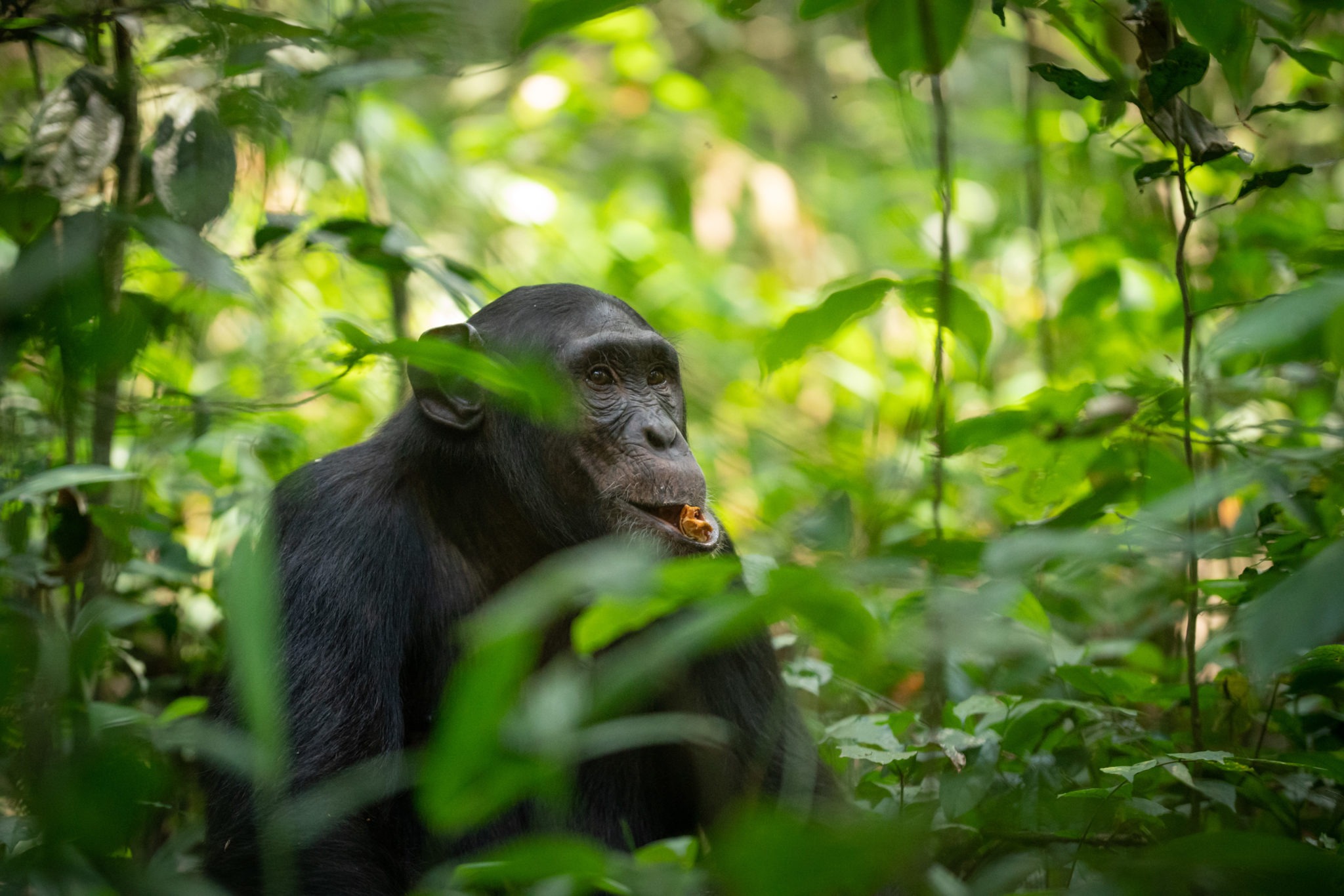
Chimpanzee trekking, conducted in lush tropical forests of Rwanda, is a core feature of Rwanda Best Safaris. Unlike traditional game drives, chimpanzee tracking requires walking through uneven terrain, dense vegetation, and occasionally steep inclines. Knowing How physically demanding is chimpanzee tracking? is crucial for preparing visitors for this rewarding experience. At the same time, these treks allow travelers to witness complex social behaviors, vocal communication, and family interactions of chimpanzees in their natural habitat.
In addition to primate observation, Rwanda Chimpanzee Tracking often integrates Rwanda Birding Safaris and Rwanda Cultural Safaris. These activities enrich the overall experience by connecting visitors to the local ecosystems and communities surrounding the protected areas. This guide addresses every aspect of the trekking experience, including accessibility, physical challenges, expectations, costs, seasonal considerations, and why choosing Kigali City Tours guarantees a safe, expertly guided, and highly fulfilling safari journey. Each detail reflects our commitment to Experience, Expertise, Authoritativeness, and Trustworthiness, positioning us as a reliable source for Africa Tourism content and a leader in premium Rwanda safari experiences.
Which Destinations Are Ideal for Chimpanzee Tracking in Rwanda?
When travelers ask, How physically demanding is chimpanzee tracking?, the answer is intertwined with understanding where these treks take place. Chimpanzee trekking in Rwanda occurs primarily in Nyungwe National Park, one of Africa’s most biologically diverse and scenic tropical rainforests. Located in southwestern Rwanda, Nyungwe covers over 1,000 square kilometers of high-altitude montane forest and is celebrated for its pristine environment, rich biodiversity, and challenging yet rewarding trekking experiences.
The park hosts multiple habituated chimpanzee groups, allowing visitors to witness primates in authentic social interactions. Dense undergrowth, mossy slopes, and streams create a forest ecosystem where trekking can be moderately to highly demanding depending on trail conditions and group fitness levels. Beyond chimpanzees, Nyungwe supports Rwanda Birding Safaris with over 300 recorded bird species, including endemic Albertine Rift birds, making it a hotspot for both wildlife and photography enthusiasts. Moreover, Rwanda Cultural Safaris complement primate tracking by introducing travelers to nearby communities. Visitors engage with local artisans, attend traditional dances, and experience storytelling sessions that reflect Rwanda’s rich heritage. Knowing How physically demanding is chimpanzee tracking? in Nyungwe provides a practical foundation for understanding the preparation, stamina, and equipment necessary to enjoy this unique ecological and cultural journey.
How Physically Demanding Is Chimpanzee Tracking?
Understanding How physically demanding is chimpanzee tracking? requires a realistic look at the forest environment. Treks often last between three to six hours, depending on the location of the chimpanzee group on a given day. Hikers navigate steep inclines, slippery paths, and uneven terrain that can challenge even moderately fit individuals. Proper footwear, such as sturdy hiking boots with ankle support, is essential for safety and comfort. Physical stamina is complemented by patience. Chimpanzees are highly mobile and travel across large forest areas, so trackers and visitors often follow dense trails, cross small streams, and occasionally use walking sticks for balance. Weather conditions in Nyungwe can fluctuate quickly, with mist, rain, or humidity adding layers of difficulty. Trek participants should be prepared with waterproof clothing, energy snacks, and hydration solutions to maintain energy levels throughout the hike.
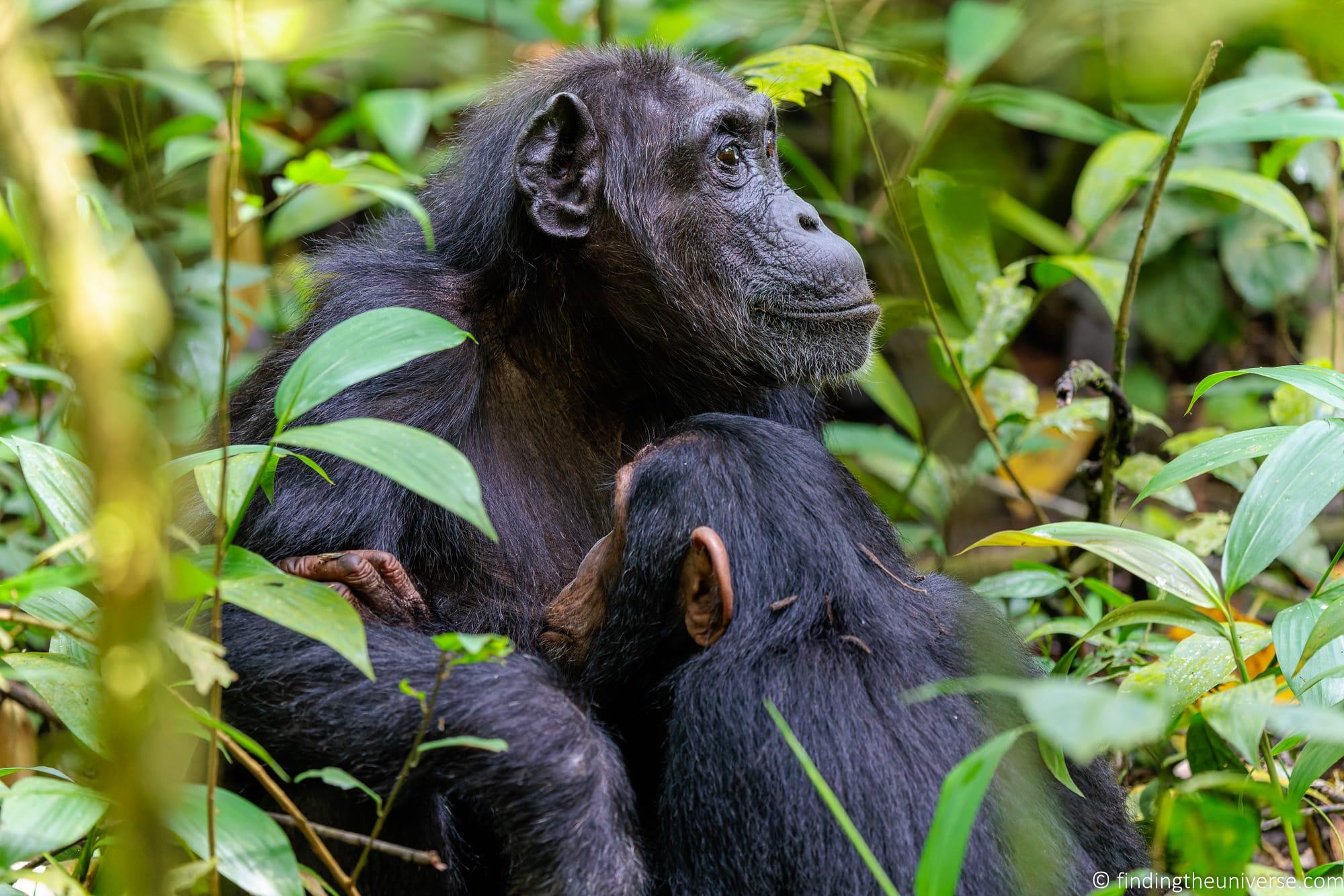
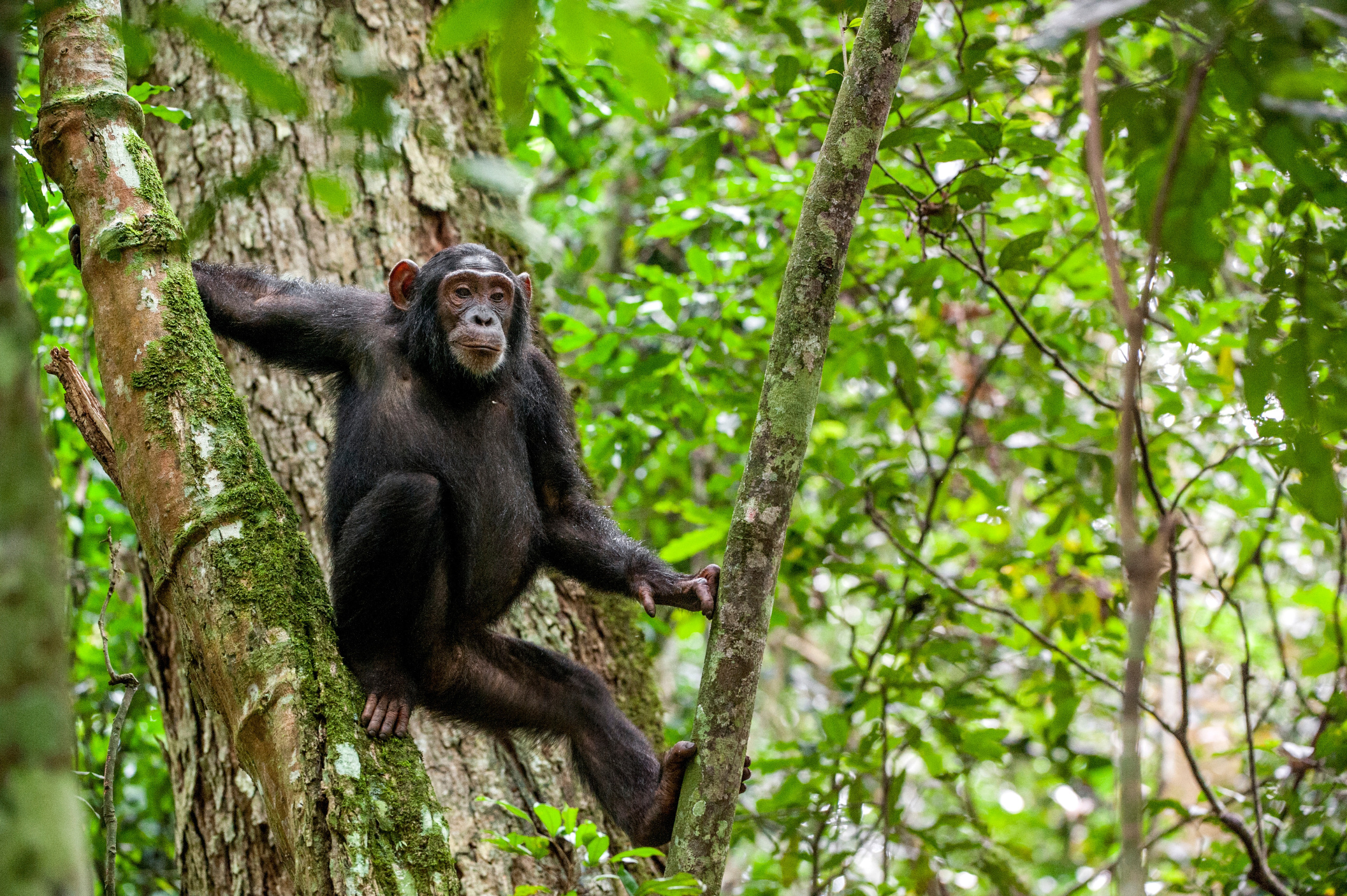
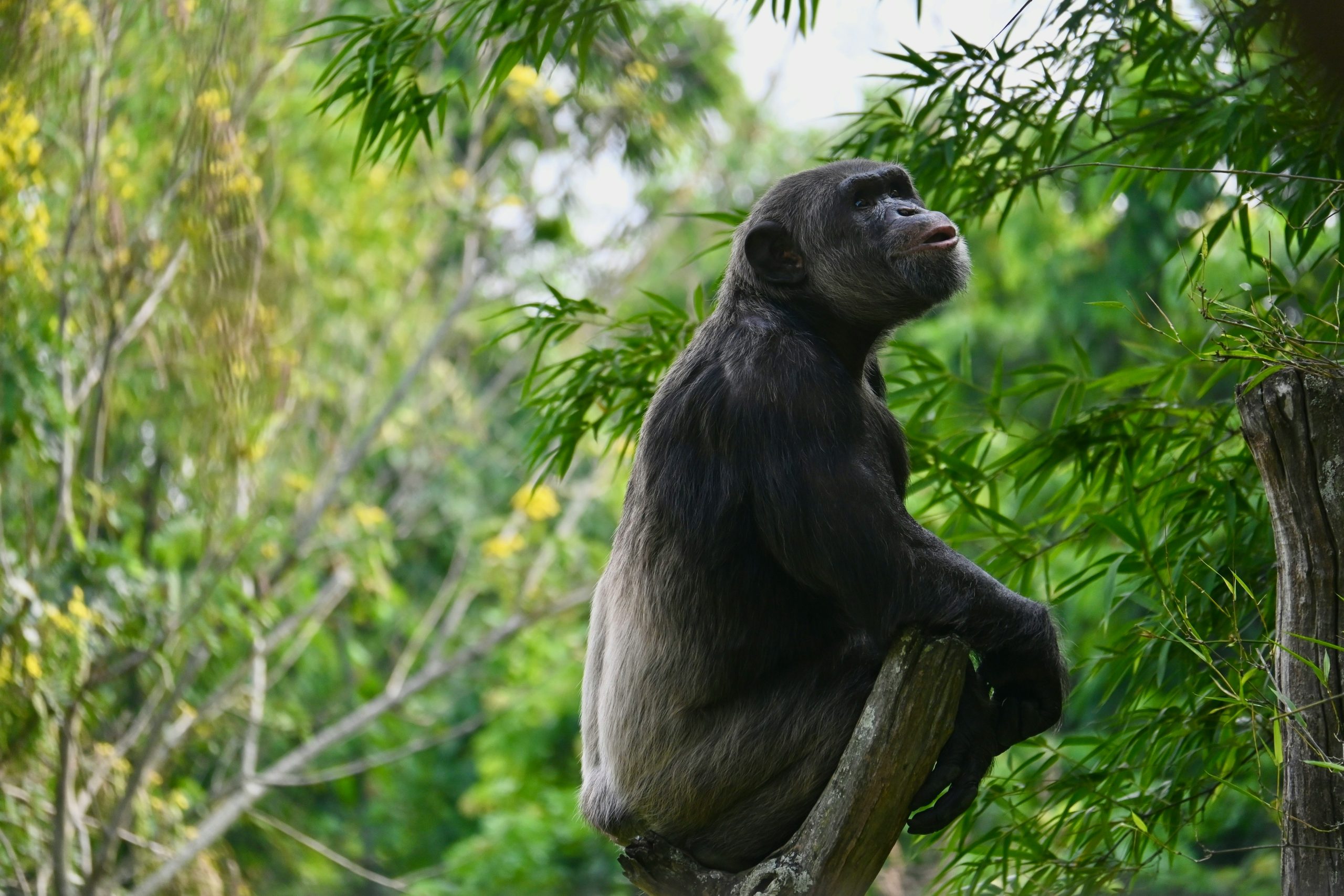
Despite the effort, the reward is extraordinary. Once the chimpanzee group is located, visitors are allowed up to one hour of close observation, offering unforgettable encounters with primates in their natural habitat. Witnessing their play, grooming rituals, and vocal interactions provides a unique sense of connection that far outweighs the physical challenge. By asking How physically demanding is chimpanzee tracking?, travelers gain insight into how preparation and fitness directly enhance both safety and enjoyment, ensuring that every Rwanda Chimpanzee Safari is a memorable and transformative adventure.
How Do You Reach Nyungwe National Park for Chimpanzee Tracking?
Logistics are an essential consideration for visitors exploring How physically demanding is chimpanzee tracking? International travelers typically arrive at Kigali International Airport, Rwanda’s main gateway. From Kigali, the journey to Nyungwe National Park requires approximately six to seven hours by road, offering scenic views of rolling hills, tea plantations, and traditional Rwandan villages. Travelers seeking convenience and comfort may arrange private transfers with Kigali City Tours, ensuring timely arrival and a smooth transition to lodge accommodations near the park. Luxury-focused Rwanda Best Safaris clients may also opt for helicopter transfers, reducing travel time and offering aerial views of the park’s verdant canopy and meandering rivers.
Pre-trek briefings occur at park headquarters, where rangers provide critical safety instructions, physical readiness assessments, and group assignments. Understanding How physically demanding is chimpanzee tracking? in advance helps travelers anticipate the journey from arrival to trekking start, allowing for proper pacing, hydration, and gear preparation. Accessible yet remote, Nyungwe National Park blends convenience with immersive wilderness, making it an ideal destination for global travelers seeking Rwanda Chimpanzee Tracking and related Rwanda Birding Safaris experiences.
What Should I Expect During Chimpanzee Safaris?
Anticipating How physically demanding is chimpanzee tracking? enhances the safari experience by clarifying expectations. Treks begin early in the morning, when chimpanzee activity peaks. Rangers assign trekkers to specific habituated groups, balancing physical fitness, group size, and forest accessibility.
Trail difficulty ranges from moderate walks along forest paths to more strenuous climbs across mossy slopes. Porters are available to carry personal gear, water, and photography equipment, ensuring trekkers can conserve energy. The hour spent observing chimpanzees offers unmatched wildlife intimacy, allowing participants to document social behavior, vocal communication, and group dynamics in a protected and ethically managed setting. Complementary experiences within Nyungwe enrich the itinerary. Rwanda Birding Safaris expose travelers to endemic species, while Rwanda Cultural Safaris offer meaningful interaction with local communities, including traditional music, dance, and craft-making workshops. By understanding How physically demanding is chimpanzee tracking?, visitors prepare both mentally and physically to maximize enjoyment, fully embracing the integration of wildlife and culture.
How Much Does a Chimpanzee Tracking Safari Cost?
Financial planning is a crucial part of answering How physically demanding is chimpanzee tracking? Rwanda Development Board regulates chimpanzee trekking permits, currently priced at approximately USD $150 per person for foreign non-residents. Costs cover park entry, ranger guidance, security, and conservation contributions supporting chimpanzee protection and habitat preservation.
Additional expenses include accommodation, transportation, meals, and optional Rwanda Birding Safaris or Rwanda Cultural Safaris activities. Kigali City Tours offers transparent packages for Rwanda Best Safaris, combining trekking, lodge stays, and cultural immersion to ensure seamless experiences. Investing in Rwanda Chimpanzee Tracking not only provides a transformative wildlife encounter but also directly supports community initiatives, anti-poaching programs, and ecological preservation efforts. Recognizing How physically demanding is chimpanzee tracking? alongside costs ensures travelers allocate appropriate resources to prepare, including durable clothing, hydration systems, and trekking accessories.
When Is the Best Time for Chimpanzee Tracking in Rwanda?
Seasonal considerations influence both effort and comfort when evaluating How physically demanding is chimpanzee tracking? The dry seasons, between June and September and December to February, offer easier trekking conditions, reduced trail slipperiness, and better wildlife visibility.
Rainy seasons, from March to May and October to November, create lush, vibrant forests that can be more physically challenging due to muddy paths and heavier undergrowth. However, these periods offer fewer tourists and striking photographic opportunities. Year-round trekking is feasible due to Nyungwe’s equatorial climate. Proper preparation, clothing, and hydration allow visitors to enjoy Rwanda Chimpanzee Tracking regardless of seasonal weather, emphasizing the importance of anticipating physical demands when selecting travel dates.
Why Choose Kigali City Tours for Chimpanzee Tracking Safaris?
Selecting a trusted operator enhances understanding of How physically demanding is chimpanzee tracking? Kigali City Tours combines local expertise, ethical tourism practices, and personalized service to create exceptional Rwanda Best Safaris.
Our team ensures proper permit acquisition, expert guide assignments, and tailored accommodation to match fitness levels and preferences. Rwanda Birding Safaris and Rwanda Cultural Safaris are seamlessly integrated, allowing visitors to explore primates, avian biodiversity, and local traditions in one cohesive experience. Global travelers trust Kigali City Tours because our itineraries prioritize safety, sustainability, and immersive wildlife encounters. Clear communication, professional support, and ethical practices reflect our commitment to Experience, Expertise, Authoritativeness, and Trustworthiness. Choosing us guarantees a well-prepared, fully supported, and deeply rewarding Rwanda Chimpanzee Tracking Safari.
Final Reflection
Answering How physically demanding is chimpanzee tracking? goes beyond evaluating fitness requirements—it highlights the preparation, resilience, and mindset necessary for an unforgettable adventure in Nyungwe National Park. Rwanda Chimpanzee Tracking Safaris, combined with Rwanda Birding Safaris and Rwanda Cultural Safaris, offer a unique blend of wildlife discovery, scenic exploration, and cultural immersion.
Kigali City Tours ensures travelers are fully informed, appropriately equipped, and expertly guided, turning physical effort into an enriching, transformative experience. Understanding the demands of trekking enhances safety, maximizes enjoyment, and strengthens connections with Rwanda’s rare and remarkable primates. By addressing How physically demanding is chimpanzee tracking?, travelers gain confidence, knowledge, and insight, making each Rwanda Safari not only a journey into nature but also a meaningful encounter with conservation, culture, and adventure.
Related Posts