What Is the Minimum Age for Chimpanzee Tracking in Rwanda? Travelers planning a wildlife adventure…
Is Chimpanzee Tracking in Rwanda Safe?
Is Chimpanzee Tracking in Rwanda Safe?
One of the most frequently asked questions by wildlife enthusiasts is: Is chimpanzee tracking in Rwanda safe? Rwanda offers a world-class safari experience for travelers seeking Rwanda Safaris, combining lush rainforests, diverse wildlife, and rich cultural interactions. Among its most popular destinations is Nyungwe Forest National Park, renowned for its habituated chimpanzee communities and vast biodiversity, making it an ideal setting for Rwanda Birding Safaris and Rwanda Cultural Safaris.
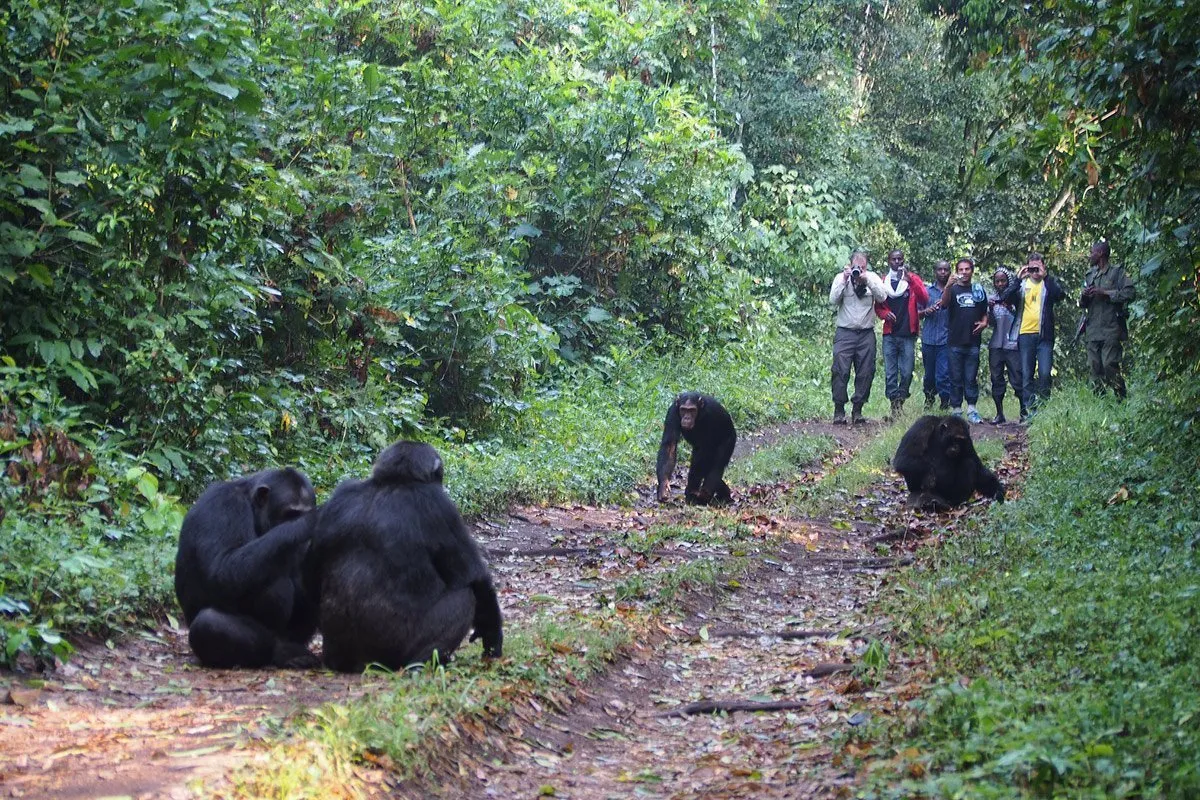
Safety is paramount during primate tracking, and Rwanda has developed a comprehensive framework to ensure visitors enjoy secure and enriching wildlife encounters. Professional guides accompany all excursions, providing expertise in navigating forest trails and understanding chimpanzee behavior. Trails are well-monitored, and the number of visitors per group is strictly limited to minimize risk and environmental disturbance. For travelers seeking Rwanda Best Safari experiences, these safety protocols ensure encounters are memorable, comfortable, and above all, secure.
Travelers can also expect integrated experiences beyond wildlife tracking, including guided birding walks, scenic forest treks, and visits to nearby communities. Knowledgeable guides educate guests about conservation initiatives, ecological sustainability, and responsible tourism practices. Preparing for a chimpanzee safari involves practical considerations such as proper clothing, hydration, and adherence to guidelines provided by guides, allowing visitors to fully appreciate Rwanda Safaris without compromising safety. Understanding the precautions and protocols in place reassures travelers that chimpanzee tracking in Rwanda is a safe, exhilarating, and rewarding activity.
Nyungwe Forest National Park: How Is Chimpanzee Tracking Managed?
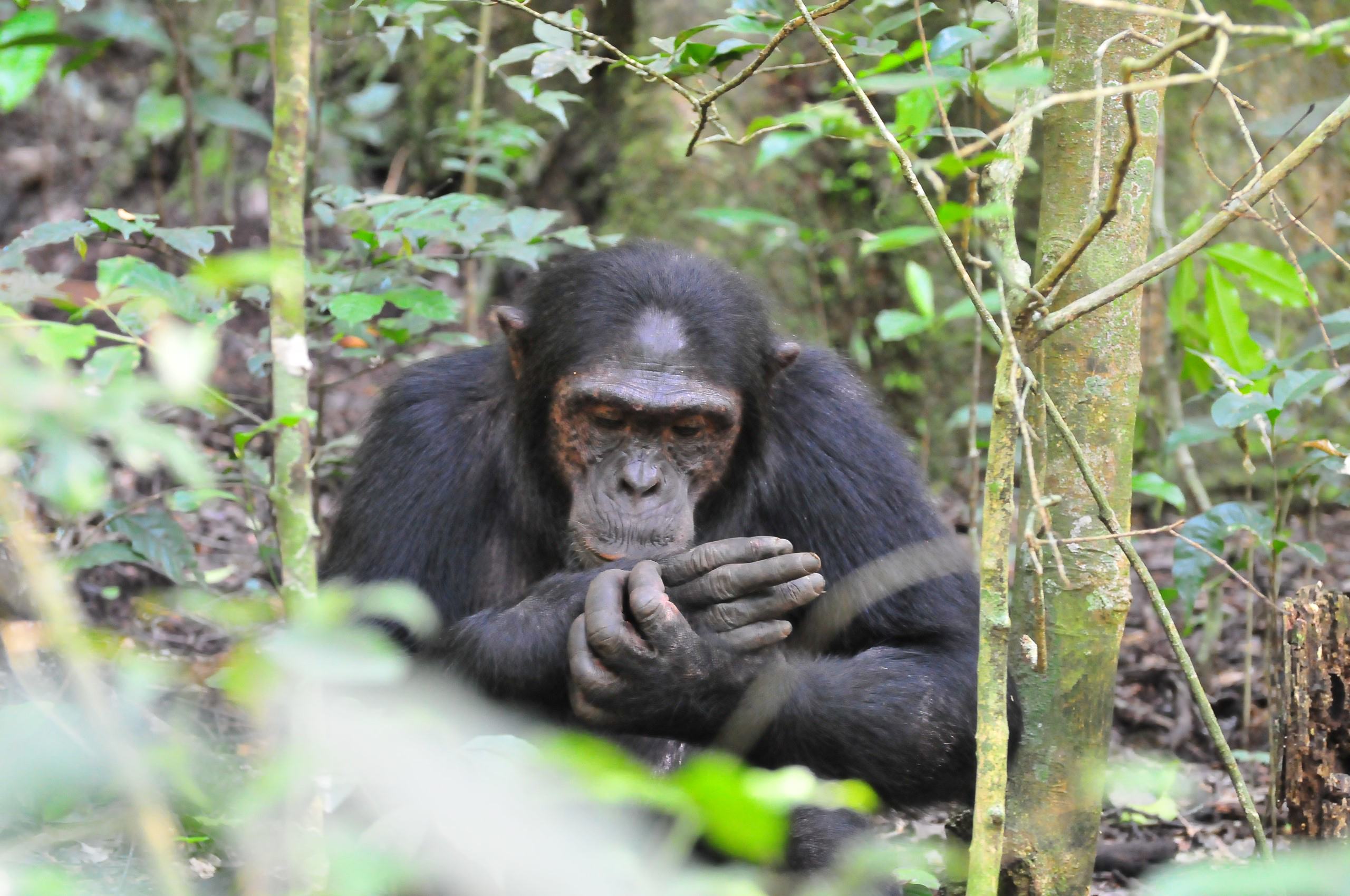
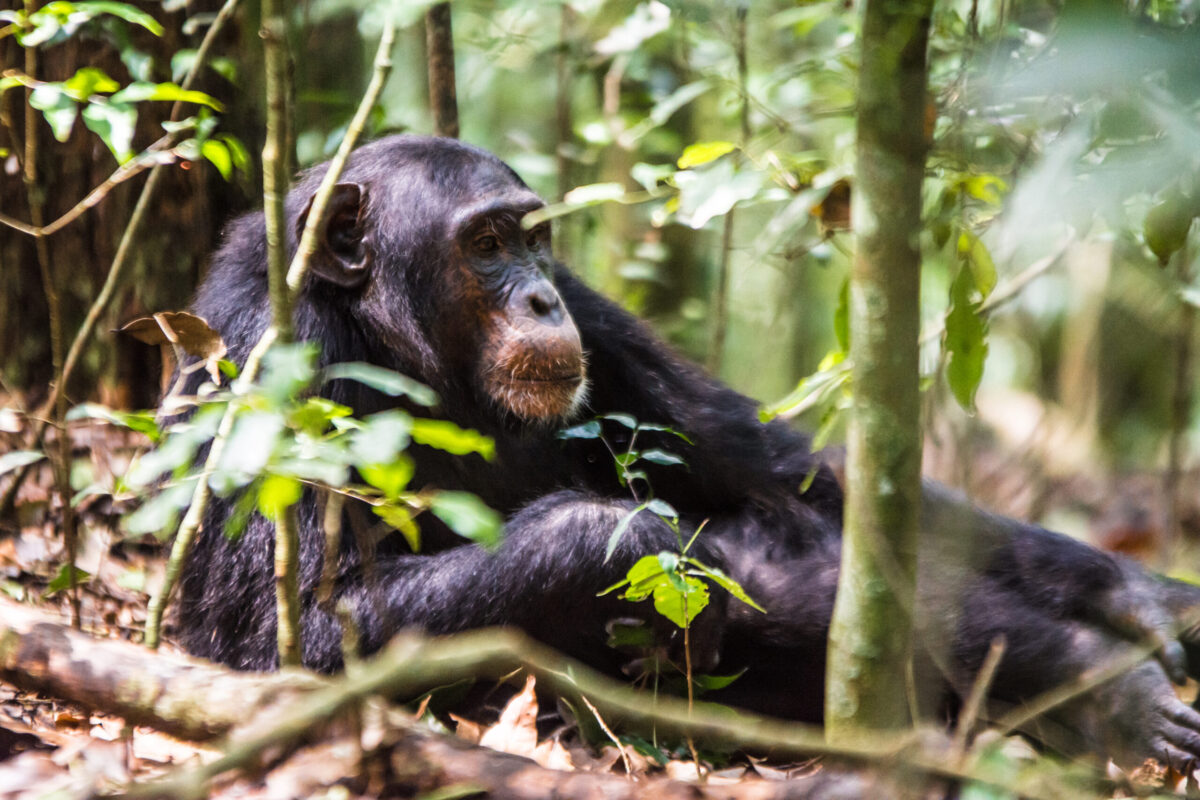
Travelers often wonder, Is chimpanzee tracking in Rwanda safe?, particularly when exploring Nyungwe Forest National Park. This ancient rainforest is home to over 13 primate species, including habituated chimpanzees. Safety in tracking is ensured by experienced local guides who monitor chimpanzee movements, manage group interactions, and maintain strict adherence to distance regulations, keeping both visitors and wildlife protected.
Tracking excursions are scheduled in small groups, usually consisting of 6–8 participants, which allows guides to provide personalized attention and maintain control over the hike. Participants are briefed on safety measures, including how to approach chimpanzees, avoid startling them, and respond to sudden movements. Early morning hikes are preferred because chimpanzees are most active during this time, reducing prolonged exposure and enhancing safety while maximizing wildlife viewing opportunities.
Reaching Nyungwe is relatively accessible from Kigali, the capital city, with scenic roads offering views of rolling hills and tea plantations. Travelers can combine chimpanzee tracking with Rwanda Birding Safaris, exploring rare species such as the Ruwenzori turaco and other endemic birds. Cultural experiences, including visits to nearby villages and participation in traditional craft demonstrations, complement the safari, providing a balanced blend of wildlife and community engagement. By following these carefully designed protocols, visitors can answer confidently that chimpanzee tracking in Rwanda is safe while enjoying an immersive and unforgettable Rwanda Best Safari.
What Are the Safety Measures During Tracking?
Visitors preparing for Rwanda Safaris often ask, Is chimpanzee tracking in Rwanda safe?, particularly regarding health and environmental precautions. Guides maintain strict rules, such as keeping a safe distance from primates, using masks when necessary, and limiting physical interaction. This ensures that both humans and chimpanzees are protected from potential disease transmission, while wildlife behavior remains undisturbed.
Treks generally last 2–5 hours depending on the chimpanzees’ movements and group dynamics. Visitors are advised to wear long-sleeved shirts, sturdy shoes, and waterproof jackets to navigate muddy forest trails safely. Hiking poles, gloves, and hats enhance comfort and reduce the risk of slips or injuries. Kigali City Tours recommends carrying sufficient water, small snacks, and personal medical supplies to manage fatigue and maintain energy during long excursions.
The forest itself is patrolled by rangers who provide additional oversight, monitor trail conditions, and respond to emergencies. This multi-layered safety system reassures travelers that chimpanzee tracking is not only secure but also professionally managed to optimize enjoyment. Understanding Is chimpanzee tracking in Rwanda safe? from this perspective helps travelers plan their Rwanda Best Safari efficiently, ensuring both comfort and protection during their wildlife adventure.
What Are the Expectations During a Chimpanzee Safari?
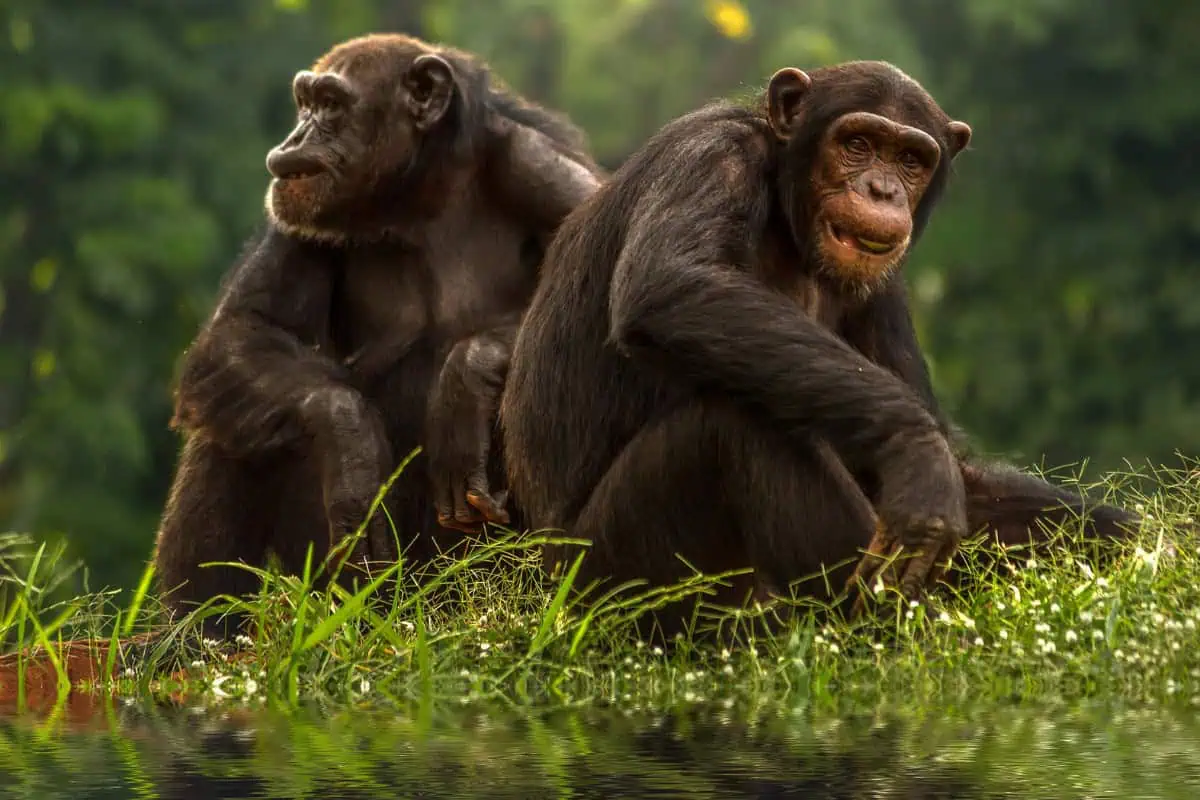
Visitors often wonder what to anticipate during Rwanda Safaris, particularly regarding chimpanzee tracking safety. Trekkers should expect moderately challenging forest hikes, early morning departures, and highly engaging wildlife encounters. Chimpanzees are intelligent and social, offering dynamic observation opportunities such as feeding, grooming, and playful interactions, which require patience and adherence to safety protocols.
Apart from wildlife, travelers can explore the park’s rich flora and participate in Rwanda Birding Safaris, encountering endemic and migratory birds. Cultural visits to nearby communities offer additional layers of experience, from learning traditional crafts to understanding local customs. Preparation and compliance with guidelines ensure a rewarding and safe experience for every participant.
How Much Does Chimpanzee Tracking Cost and When Is the Best Time?
The cost of chimpanzee tracking in Nyungwe Forest typically ranges from $90 to $150 per person. Additional expenses include transportation, accommodation, guide fees, and optional cultural or birding experiences. Travelers aiming for the Rwanda Best Safari should plan during dry seasons, from June to September and December to February, when trails are more navigable, and wildlife visibility is optimal. Planning in advance ensures safety, maximizes the chance of sightings, and reduces the likelihood of cancellations due to weather conditions.
Why Choose Kigali City Tours?
Selecting Kigali City Tours ensures that every visitor enjoys a Rwanda Best Safari that is both safe and extraordinary. Our expert guides are trained in wildlife behavior, forest navigation, and conservation practices. By offering detailed instructions on safety, health precautions, and cultural interactions, we provide travelers with confidence and peace of mind.
Understanding Is chimpanzee tracking in Rwanda safe? allows travelers to embark on their safari fully prepared, maximizing enjoyment while minimizing risks. Kigali City Tours combines wildlife exploration, birding, and cultural experiences into a seamless itinerary, ensuring a safe, educational, and unforgettable safari in Rwanda.
Related Posts