Are Night Game Drives Available in Rwanda? Rwanda is globally celebrated for its exceptional wildlife…
Is Rwanda Good for Big Five Safaris?
Is Rwanda Good for Big Five Safaris?
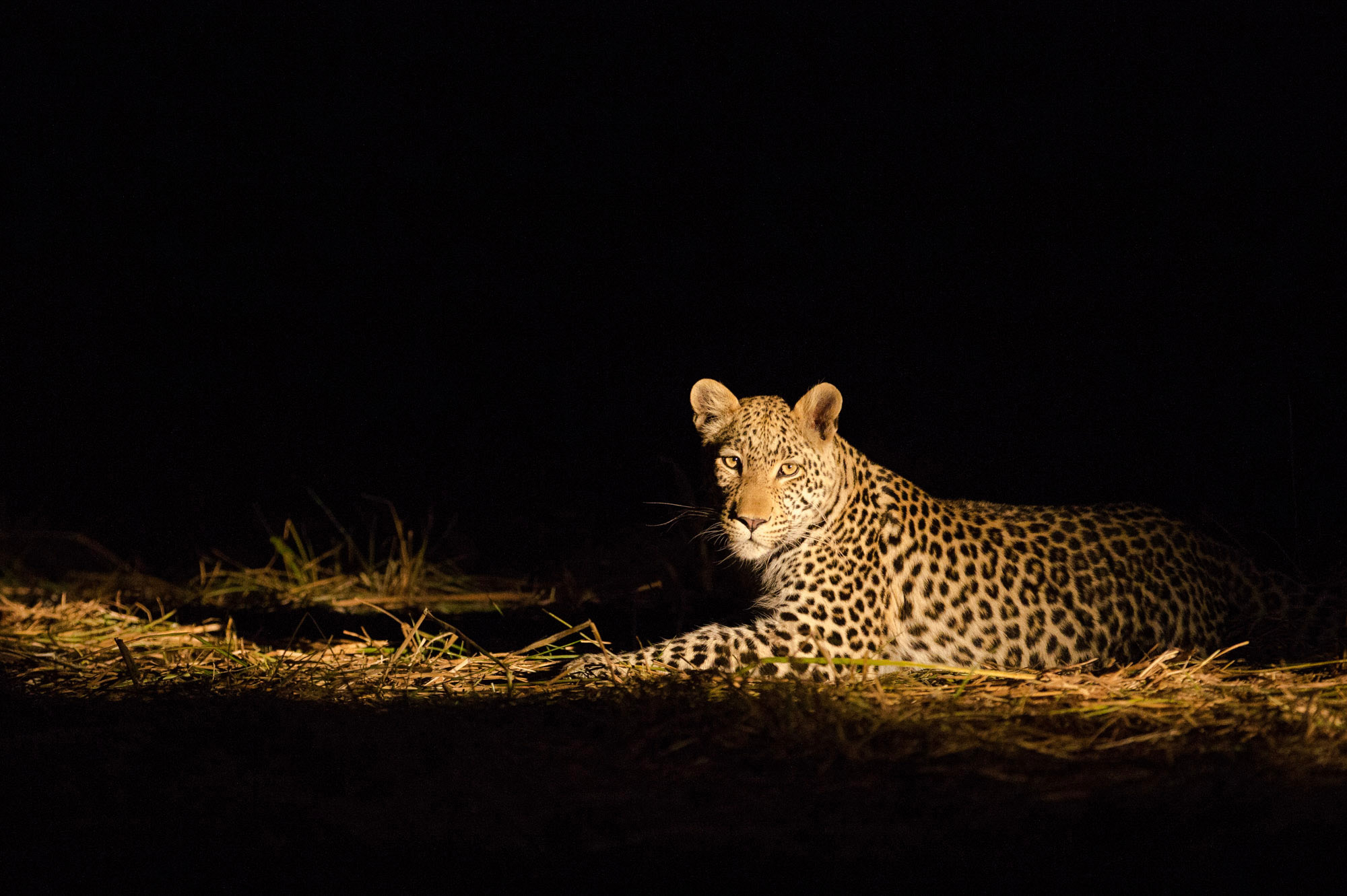
Rwanda is a unique and captivating destination for wildlife enthusiasts, combining lush landscapes, vibrant ecosystems, and remarkable biodiversity. While the country is globally renowned for its mountain gorillas and primate tracking, many travelers often wonder, “Is Rwanda good for Big Five safaris?” The answer lies in the country’s strategic conservation efforts, particularly in Akagera National Park, which provides a rare opportunity to observe Africa’s iconic Big Five—lion, leopard, elephant, buffalo, and rhinoceros—within Rwanda’s stunning savannahs and wetlands. Beyond the Big Five, Rwanda Safaris offer an unmatched blend of birding, cultural immersion, and eco-tourism experiences, making it an ideal destination for both adventure seekers and conservation-conscious travelers.
How Has Rwanda Developed Its Big Five Safari Experience?
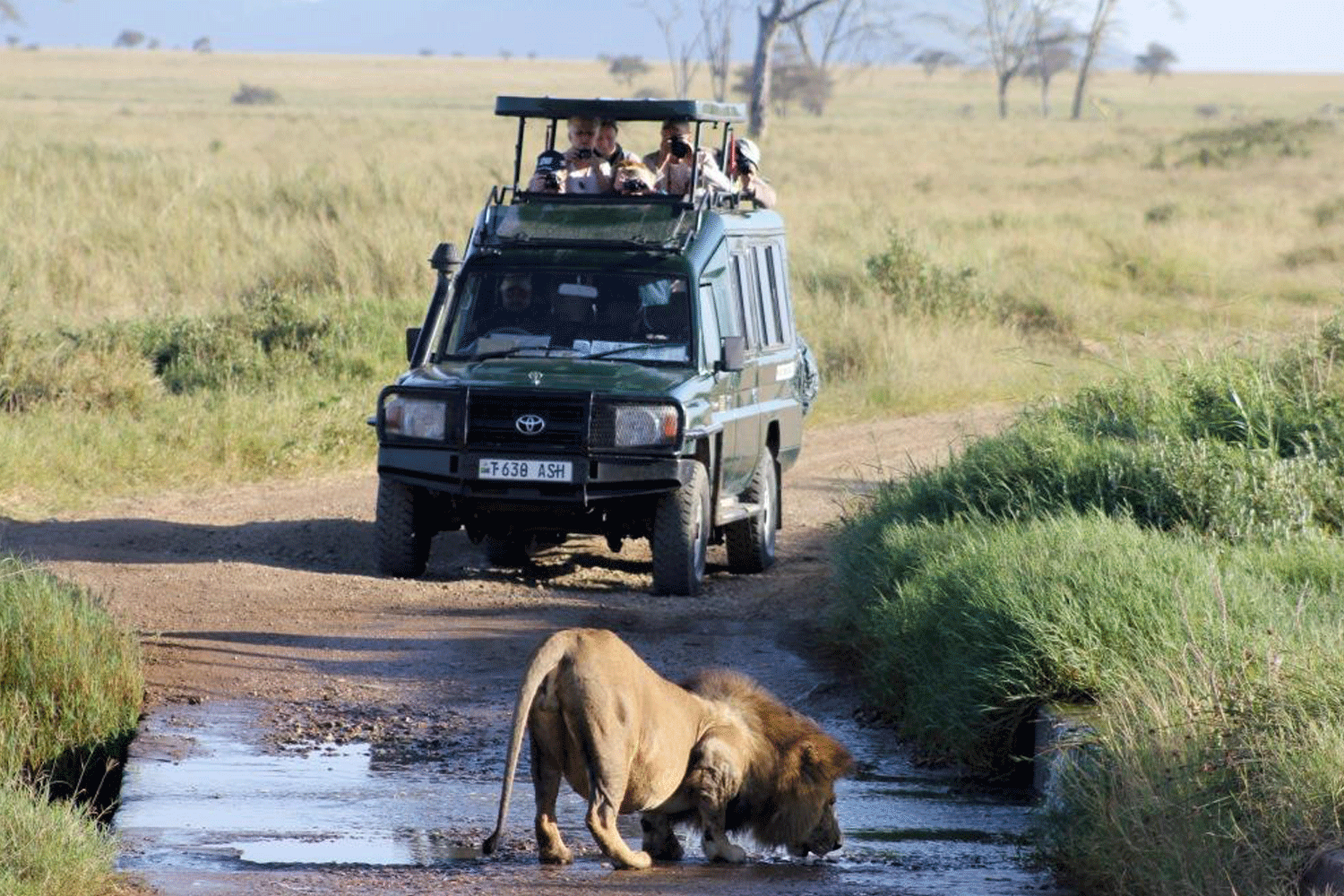
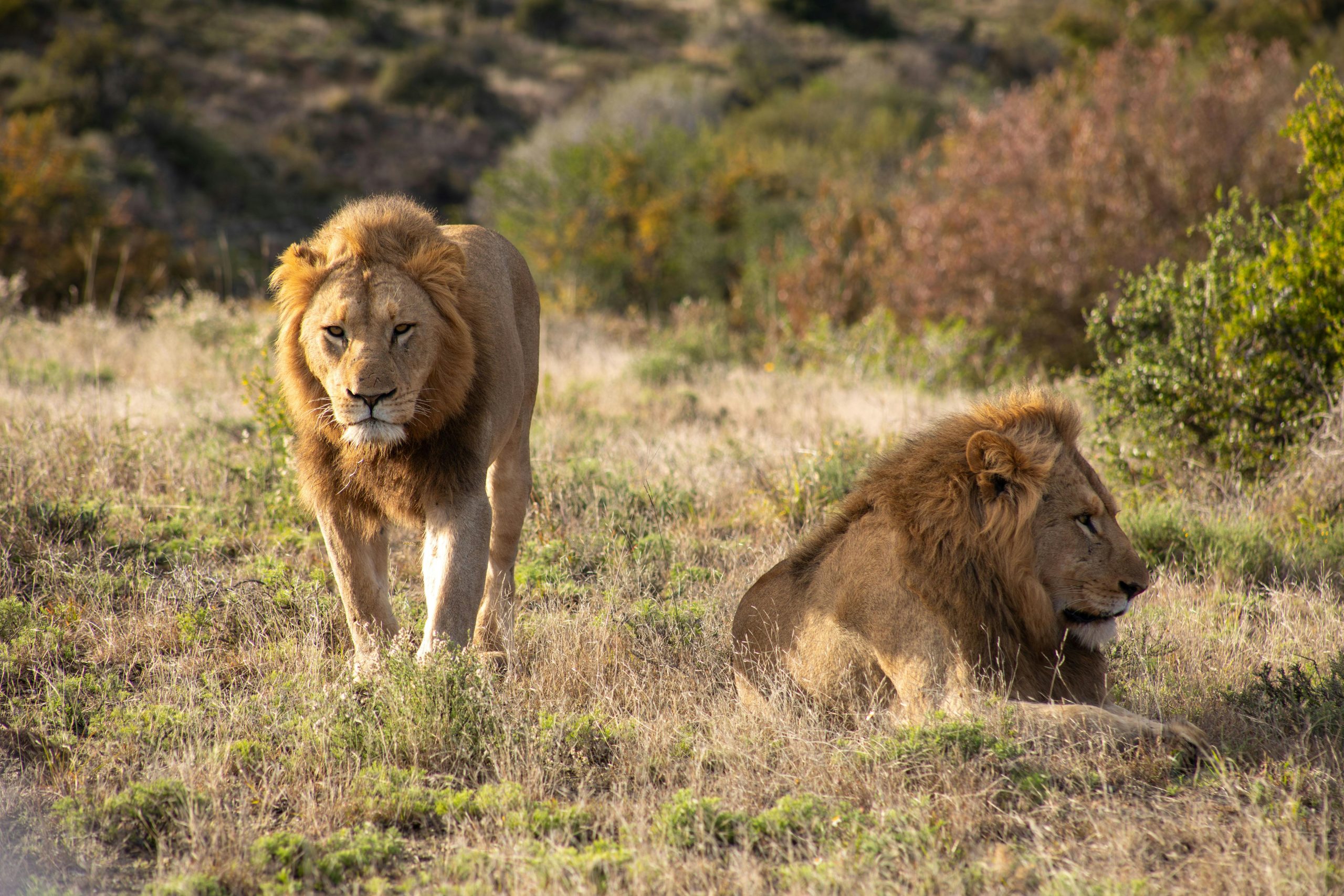
Rwanda’s transformation into a Big Five safari destination is the result of decades of dedicated conservation initiatives. Akagera National Park, located in the eastern region of Rwanda, was historically home to diverse megafauna. However, by the late 20th century, poaching and civil unrest drastically reduced wildlife populations. Concerted efforts by the Rwandan government, alongside international organizations, led to the reintroduction of key species including lions, elephants, and black rhinos, restoring the park’s ecological balance. Today, Akagera serves as a flagship example of successful wildlife management and sustainable tourism. Visitors on a Rwanda Best Safari can now witness majestic lions lounging in the savannah, powerful elephants roaming freely, elusive leopards stalking their prey, formidable buffalo herds grazing peacefully, and the critically endangered black rhinoceros thriving under protective measures. Guided game drives provide close, safe, and memorable encounters with these iconic species, often accompanied by expert commentary from highly trained local guides. These experiences demonstrate that Rwanda is not only a premier destination for gorilla trekking and chimpanzee tracking but also a growing hub for Big Five safaris.
What Animals Can You See on a Big Five Safari in Rwanda?
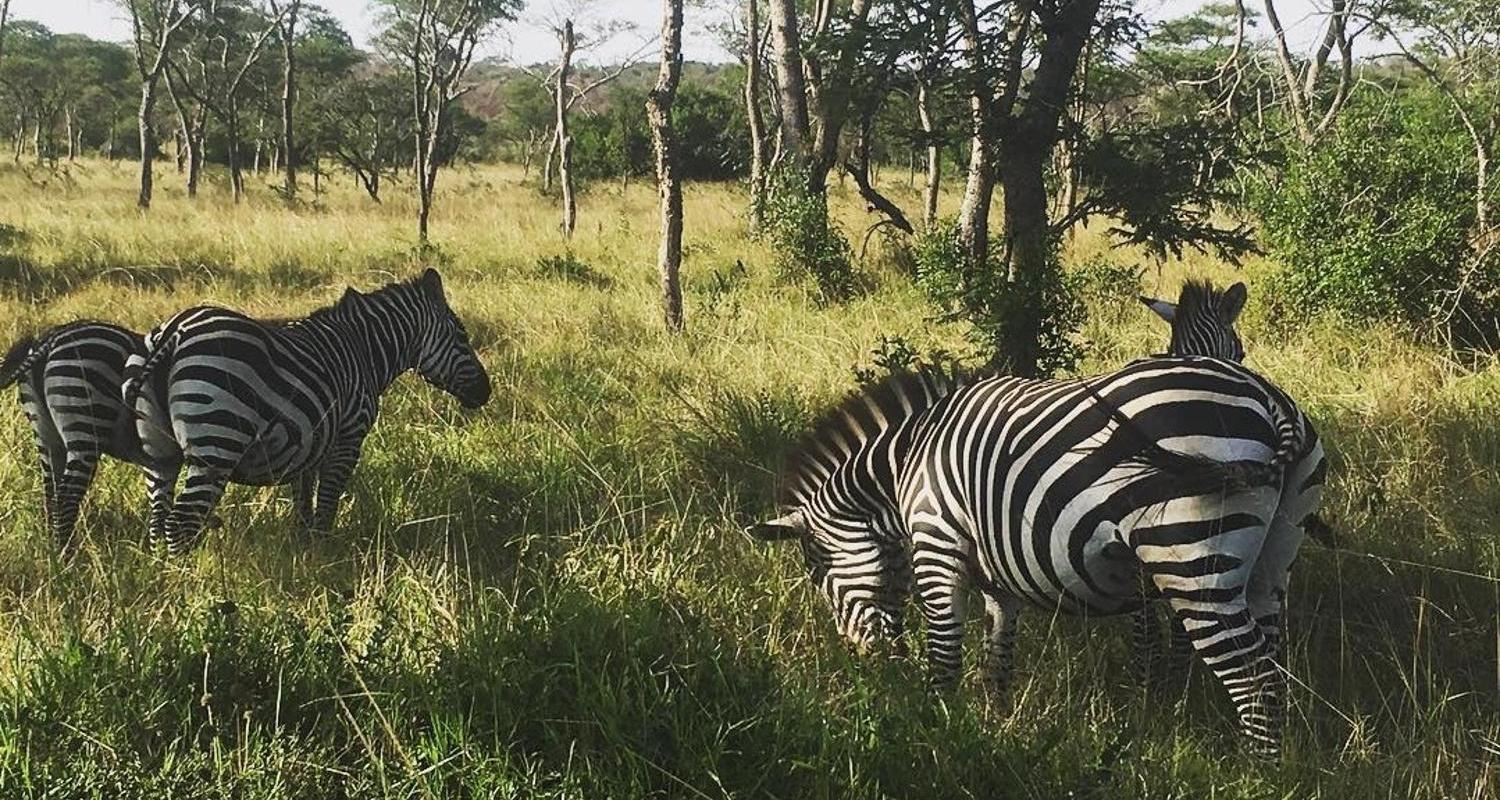
A Rwanda Big Five Safari in Akagera National Park offers an extraordinary range of wildlife beyond the iconic quintet. Travelers can expect to see hippos and crocodiles in the park’s rivers and wetlands, giraffes gracefully browsing the acacia trees, zebras forming striking herds across open plains, and diverse antelope species including impalas, topis, and elands. Bird enthusiasts will delight in over 500 recorded species, making Rwanda Birding Safaris particularly rewarding.
Elephants often move in large family groups, creating awe-inspiring photo opportunities, while lions and leopards demonstrate the raw power and agility of Rwanda’s predator populations. Black rhinos, reintroduced through intensive conservation programs, are often the highlight for many wildlife photographers and enthusiasts. Including these species in safari itineraries transforms a traditional wildlife tour into a comprehensive and enriching experience that appeals to visitors of all ages. By combining a Big Five safari in Akagera with gorilla trekking in Volcanoes National Park, travelers can enjoy an unparalleled multi-ecosystem adventure that blends forest and savannah wildlife in one extraordinary journey.
What Cultural Experiences Complement a Rwanda Big Five Safari?
Rwanda’s safaris are enriched by cultural interactions that provide insight into local traditions, lifestyles, and community-based conservation efforts. Guided tours in and around Akagera allow travelers to visit nearby villages, interact with local artisans, and observe traditional farming practices. Many lodges collaborate with communities, offering workshops on Rwandan crafts, traditional dance, and storytelling, which gives travelers a deeper understanding of the human dimensions of conservation. Additionally, travelers can explore historical sites and cultural landmarks, learning about Rwanda’s recovery and sustainable development initiatives. Cultural immersion not only enriches the safari experience but also highlights the critical link between community engagement and wildlife protection. By incorporating cultural experiences into Rwanda safaris, visitors gain an authentic perspective on how local people contribute to preserving the natural environment while sharing their heritage with the world.
How to Reach Akagera National Park for a Big Five Safari?
Rwanda’s central location and well-maintained infrastructure make accessing Akagera National Park convenient for travelers. Kigali International Airport, the country’s main hub, lies approximately two to three hours’ drive from the park. Roads leading to Akagera are generally in excellent condition, allowing smooth transfers for both private and group tours. For more remote lodge accommodations, domestic flights or chartered transfers may be arranged, ensuring seamless connections between Rwanda’s various safari destinations. Kigali City Tours provides organized transport, expert guides, and carefully crafted itineraries that allow travelers to combine a Big Five safari in Akagera with gorilla trekking in Volcanoes National Park or primate tracking in Nyungwe Forest. This flexibility ensures a diverse and immersive wildlife experience while maintaining comfort and efficiency.
What to Expect During a Rwanda Big Five Safari?
Travelers can anticipate exciting early morning and late afternoon game drives, when wildlife activity is highest. Expert guides provide detailed information on animal behavior, ecology, and the park’s conservation initiatives, enhancing the educational and immersive quality of the safari. Safari-goers should prepare for moderate terrain, including savannah plains, wetlands, and riverine forests, ensuring they have appropriate gear for photography, hiking, and wildlife observation. Accommodation options range from luxury lodges overlooking wildlife-rich areas to eco-friendly campsites that emphasize sustainability. Visitors can also participate in guided walking safaris along designated paths, allowing for intimate encounters with smaller wildlife, bird species, and scenic landscapes. Combining these activities with cultural visits and primate tracking provides a holistic Rwanda safari experience that balances adventure, education, and relaxation.
When Is the Best Time for a Big Five Safari in Rwanda?
The ideal periods for a Rwanda Big Five Safari align with the country’s dry seasons, specifically June to September and December to February, when animals are easier to locate and the terrain is more accessible. During these months, rivers and wetlands are more manageable for game drives, and visibility is higher for wildlife photography. The wet seasons from March to May and October to November present lush scenery, flowing rivers, and active birdlife, although trails may be slippery. For travelers combining Big Five safaris with gorilla trekking, timing visits during the dry seasons ensures optimal conditions for both savannah wildlife observation and forest-based primate tracking.
What to Pack and Wear for a Rwanda Big Five Safari?
Proper preparation ensures comfort and safety during a Rwanda Big Five Safari. Visitors should bring lightweight, breathable clothing in neutral colors, which help blend into the environment and avoid disturbing wildlife. Long-sleeved shirts, long trousers, and sturdy hiking boots protect against rough terrain, insect bites, and sun exposure. Additional essentials include a rain jacket for sudden showers, binoculars for spotting distant animals, a high-quality camera for wildlife photography, insect repellent, sunscreen, and a wide-brimmed hat. A small backpack with water, snacks, and personal items ensures a comfortable day on safari. Layered clothing is advisable for fluctuating temperatures between early mornings and mid-afternoons.
Why Choose Kigali City Tours for Your Rwanda Big Five Safari?
Kigali City Tours offers unparalleled expertise in Rwanda Safaris, combining wildlife tracking, cultural immersion, and eco-tourism. Our experienced guides possess in-depth knowledge of Rwanda’s flora, fauna, and conservation initiatives, ensuring that every safari is safe, educational, and memorable. Customizable itineraries allow travelers to combine Big Five safaris in Akagera with gorilla trekking in Volcanoes National Park or chimpanzee tracking in Nyungwe, creating multi-faceted adventures across Rwanda’s diverse ecosystems. Emphasis on sustainable practices, local community engagement, and high-quality service positions Kigali City Tours as a trusted partner for travelers seeking Rwanda’s best safari experiences.
In Conclusion:
Rwanda is undeniably suitable for Big Five safaris, particularly within Akagera National Park, where lions, leopards, elephants, buffaloes, and black rhinoceros roam freely across savannahs and wetlands. Combined with gorilla trekking in Volcanoes National Park, chimpanzee encounters in Nyungwe, and cultural immersions in local communities, Rwanda Safaris offer a comprehensive, world-class wildlife experience. Choosing Kigali City Tours ensures travelers enjoy safe, immersive, and unforgettable encounters with Rwanda’s wildlife, landscapes, and cultural heritage, making each safari a journey of discovery, adventure, and inspiration.
Related Posts