What Is the Minimum Age for Chimpanzee Tracking in Rwanda? Travelers planning a wildlife adventure…
Are Chimpanzees Easier to Find Than Gorillas in Rwanda?
Are Chimpanzees Easier to Find Than Gorillas in Rwanda?
When planning a wildlife adventure in East Africa, one of the most common questions is: Are chimpanzees easier to find than gorillas in Rwanda? Rwanda offers a wealth of extraordinary safari experiences that combine wildlife, culture, and scenic beauty, making it one of the premier destinations for Rwanda Safaris. This country is renowned for its mountain gorillas in the Volcanoes National Park, as well as for habituated chimpanzee communities in Nyungwe Forest National Park, making it a prime location for both Rwanda Birding Safaris and Rwanda Cultural Safaris.
Chimpanzee tracking and gorilla trekking offer distinctly different experiences due to variations in habitat, group behavior, and population densities. Chimpanzees often move more quickly through dense forest canopies, while gorillas tend to remain in smaller home ranges but require patience to locate within the bamboo and montane forests. For wildlife enthusiasts, understanding these behavioral differences is essential when designing an itinerary for a Rwanda Best Safari. With proper guidance from Kigali City Tours, travelers can plan their excursions efficiently, balancing the thrill of tracking primates with cultural immersion and scenic exploration.
Proper preparation and expectations allow visitors to enjoy safe and memorable wildlife encounters. Rwanda Safaris often integrate cultural visits to local communities, birding walks, and educational experiences about conservation efforts, providing an enriching adventure beyond just wildlife sightings. By addressing the question Are chimpanzees easier to find than gorillas in Rwanda?, travelers gain insights into how to approach both primate experiences, ensuring their safari is seamless, fulfilling, and highly rewarding.
Nyungwe Forest National Park: How Easy Is It to Track Chimpanzees?
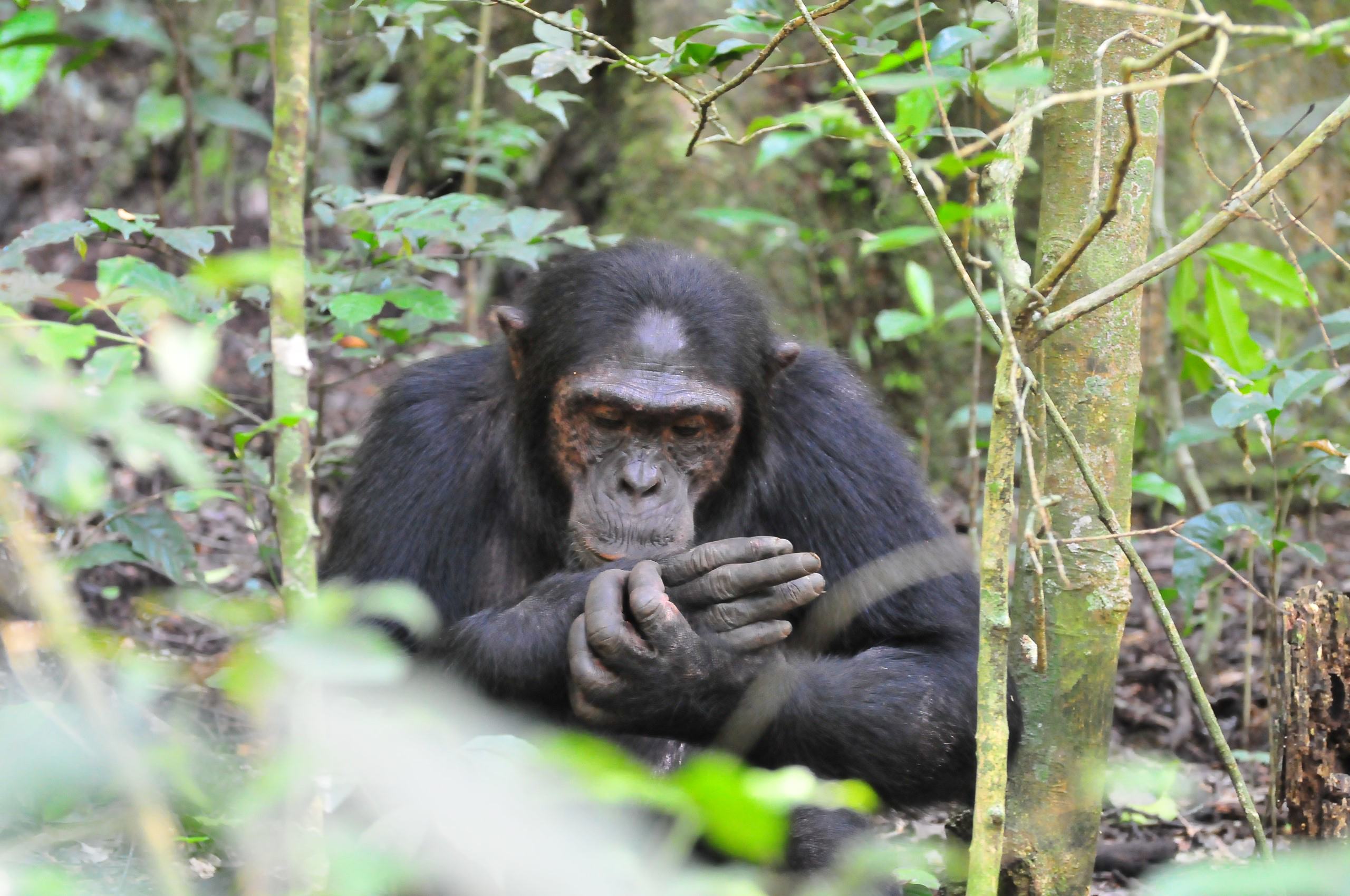
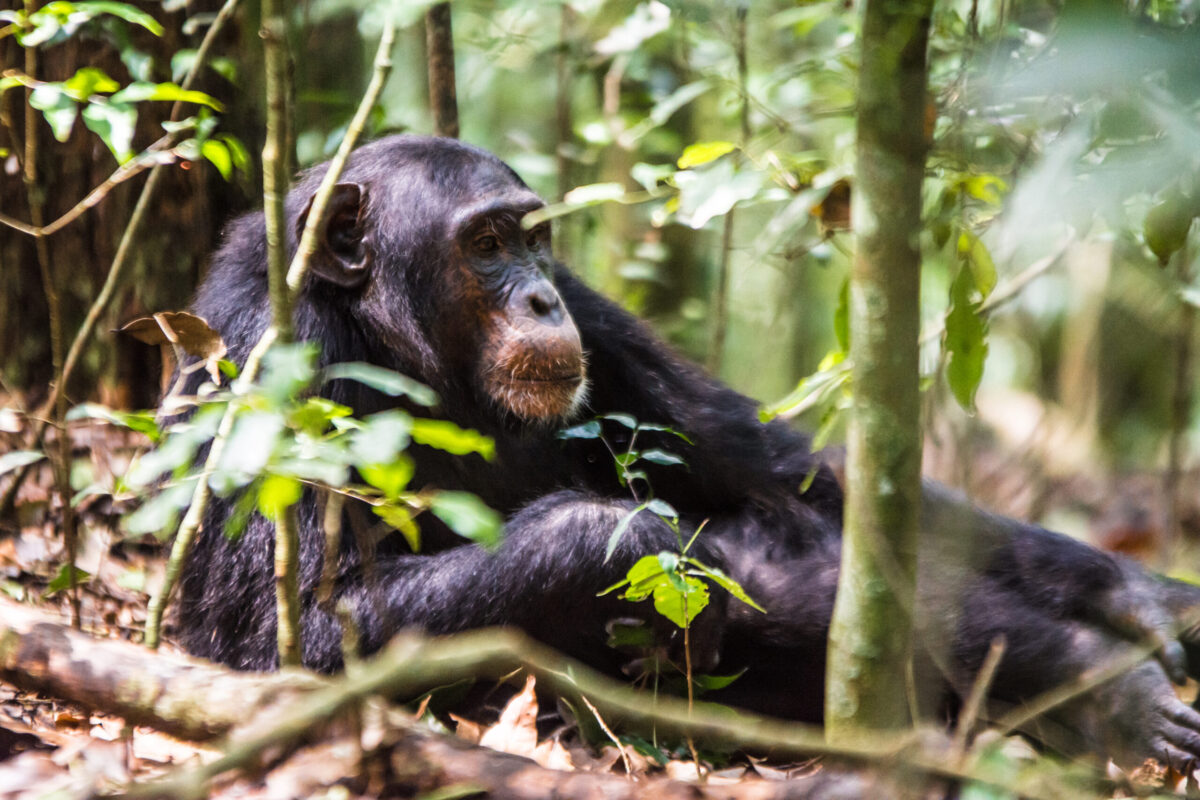
Many wildlife enthusiasts ask, Are chimpanzees easier to find than gorillas in Rwanda?, particularly when planning Rwanda Safaris that include Nyungwe Forest National Park. Nyungwe is one of Africa’s oldest rainforests, harboring a rich biodiversity including over 13 species of primates. Chimpanzees here are habituated for tourism, which makes them accessible to trackers, though they are highly mobile and can travel several kilometers a day.
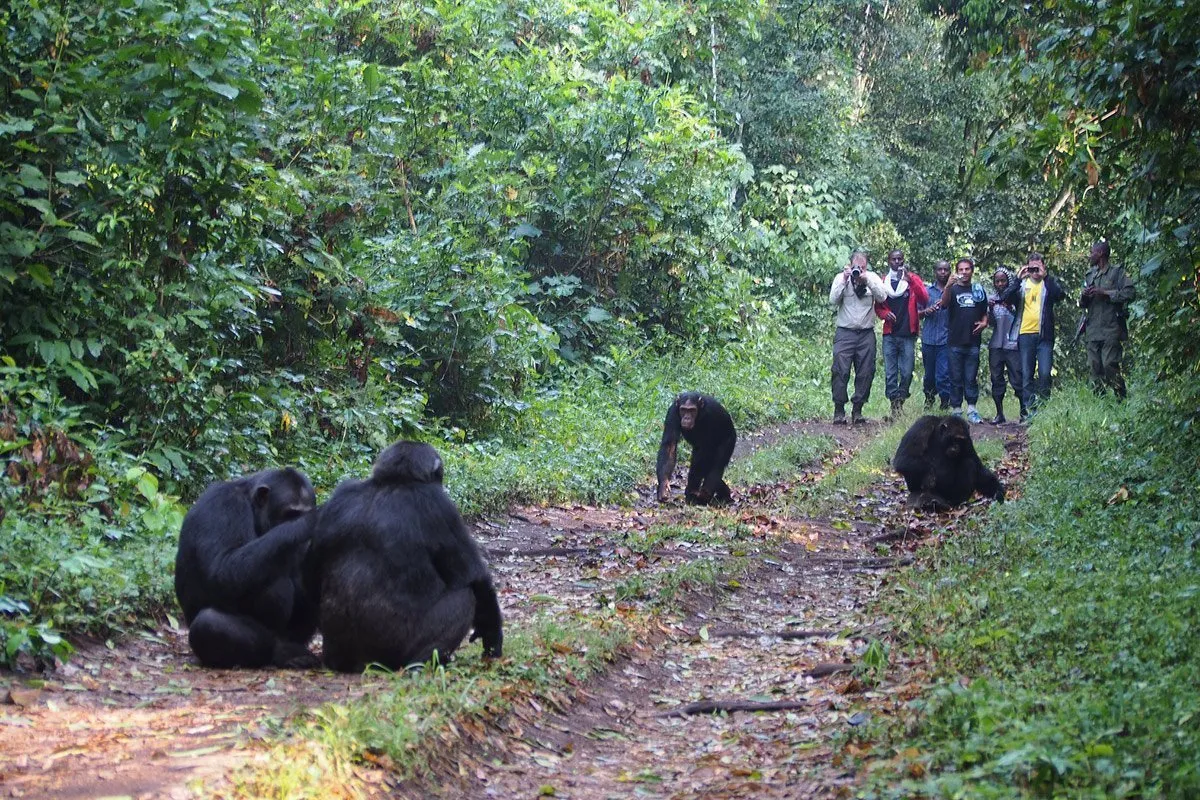
Tracking begins early in the morning with experienced guides who know the forest and chimpanzee patterns intimately. Visitors hike through lush bamboo groves, moss-covered trees, and misty valleys to observe these intelligent primates in their natural habitat. Unlike gorillas, chimpanzees are more active during the day, allowing trackers to observe complex social interactions such as grooming, foraging, and play. This activity level can make chimpanzees slightly easier to encounter than gorillas, though unpredictable movements mean patience is always required.
Nyungwe Forest is also a hotspot for Rwanda Birding Safaris, hosting hundreds of bird species, including the elusive Ruwenzori turaco. Cultural experiences nearby include visits to traditional villages and tea plantations, offering insights into local lifestyles. Reaching Nyungwe is convenient via road from Kigali, the capital city, with approximately a five- to six-hour drive through scenic landscapes. Understanding Are chimpanzees easier to find than gorillas in Rwanda? within the context of Nyungwe ensures travelers are prepared for an active, immersive, and rewarding wildlife encounter.
Volcanoes National Park: What Makes Gorilla Tracking Unique?
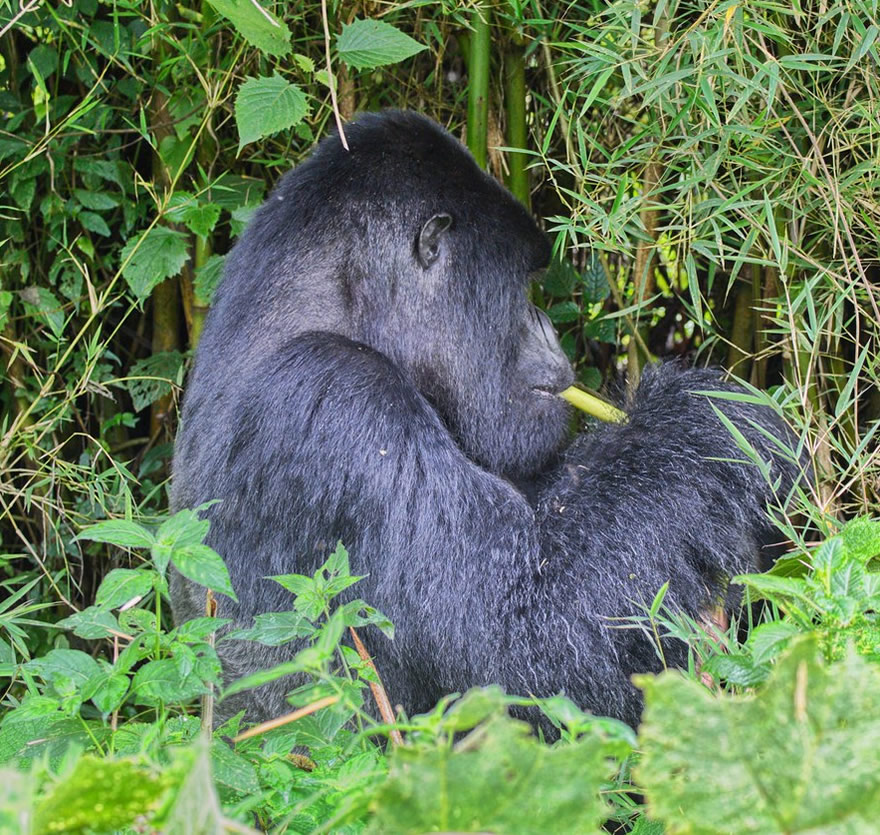
In contrast, travelers often wonder if gorillas are more challenging to locate than chimpanzees when planning Rwanda Safaris in Volcanoes National Park. Mountain gorillas inhabit steep volcanic slopes and dense bamboo forests, which require trackers to hike carefully over rugged terrain. Despite these challenges, gorillas tend to remain in smaller family groups with established home ranges, making them predictable once located by experienced guides.
Morning treks begin before sunrise, and hikers navigate lush undergrowth, streams, and hills to reach gorilla families. While physical stamina is essential, the reward of observing gorillas up close—witnessing maternal care, play, and foraging—is unmatched. Gorilla trekking also provides visitors with a deep appreciation of conservation efforts in Rwanda, supporting ongoing protection of these endangered primates. Travelers can combine their gorilla experiences with Rwanda Cultural Safaris, visiting nearby communities to learn about traditional practices, local crafts, and cultural dances.
Gorilla trekking in Volcanoes National Park is generally more expensive than chimpanzee tracking, with permits averaging around $1,500 per person, reflecting the exclusivity and conservation value of the experience. Visitors are advised to book well in advance, especially during peak travel seasons between June and September, or December to February. By answering the question Are chimpanzees easier to find than gorillas in Rwanda?, travelers can realistically plan their Rwanda Best Safari, balancing accessibility, costs, and the intensity of each primate adventure.
Expectations: What Should Travelers Prepare For?
Understanding what to expect during primate safaris is essential for any Rwanda Best Safari. Chimpanzee tracking requires flexible schedules, moderate fitness levels, and readiness for varying weather conditions. Treks can last from two to six hours, depending on chimpanzee movements, and include walking over uneven forest terrain.
Gorilla trekking demands greater physical endurance due to steep slopes and thick vegetation. Encounters are limited to one hour per gorilla family, providing an intimate yet controlled wildlife experience. Visitors are encouraged to bring lightweight, breathable clothing, rain protection, sturdy hiking shoes, and personal essentials such as water and snacks. Both experiences emphasize conservation education, ethical wildlife observation, and responsible tourism practices, ensuring visitors leave a minimal footprint on fragile ecosystems.
Cultural interactions are integrated throughout both primate experiences. Travelers can visit local villages, participate in community projects, and witness traditional dances, enriching Rwanda Cultural Safaris and creating a well-rounded itinerary that combines wildlife, culture, and scenic beauty.
How Much Does This Safari Cost and When Is the Best Time?
Chimpanzee tracking permits in Nyungwe Forest average $90 to $150 per person, while gorilla trekking permits in Volcanoes National Park cost approximately $1,500 per person. Additional expenses include guide fees, transportation, accommodation, and optional cultural or birding activities.
The best time for primate tracking in Rwanda aligns with dry seasons: June to September and December to February. Trails are more accessible, wildlife visibility improves, and the forest is generally safer for trekking. Birdwatching is excellent during wetter months, when migratory species arrive and forested areas are lush, complementing Rwanda Birding Safaris.
Why Choose Kigali City Tours?
Selecting Kigali City Tours guarantees an expert, seamless, and fully guided experience. With in-depth knowledge of primate behavior, top-quality guides, and well-curated itineraries, travelers receive unparalleled support in planning their Rwanda Best Safari. Our operators integrate wildlife tracking, cultural immersion, and scenic exploration, creating memorable experiences while promoting responsible tourism and conservation.
Kigali City Tours ensures all travelers understand Are chimpanzees easier to find than gorillas in Rwanda?, setting realistic expectations, providing packing guidance, and maximizing the enjoyment of both chimpanzee and gorilla encounters. Choosing our expertise allows visitors to explore Rwanda’s extraordinary landscapes confidently and responsibly, creating lifelong memories in the heart of Africa.
Related Posts