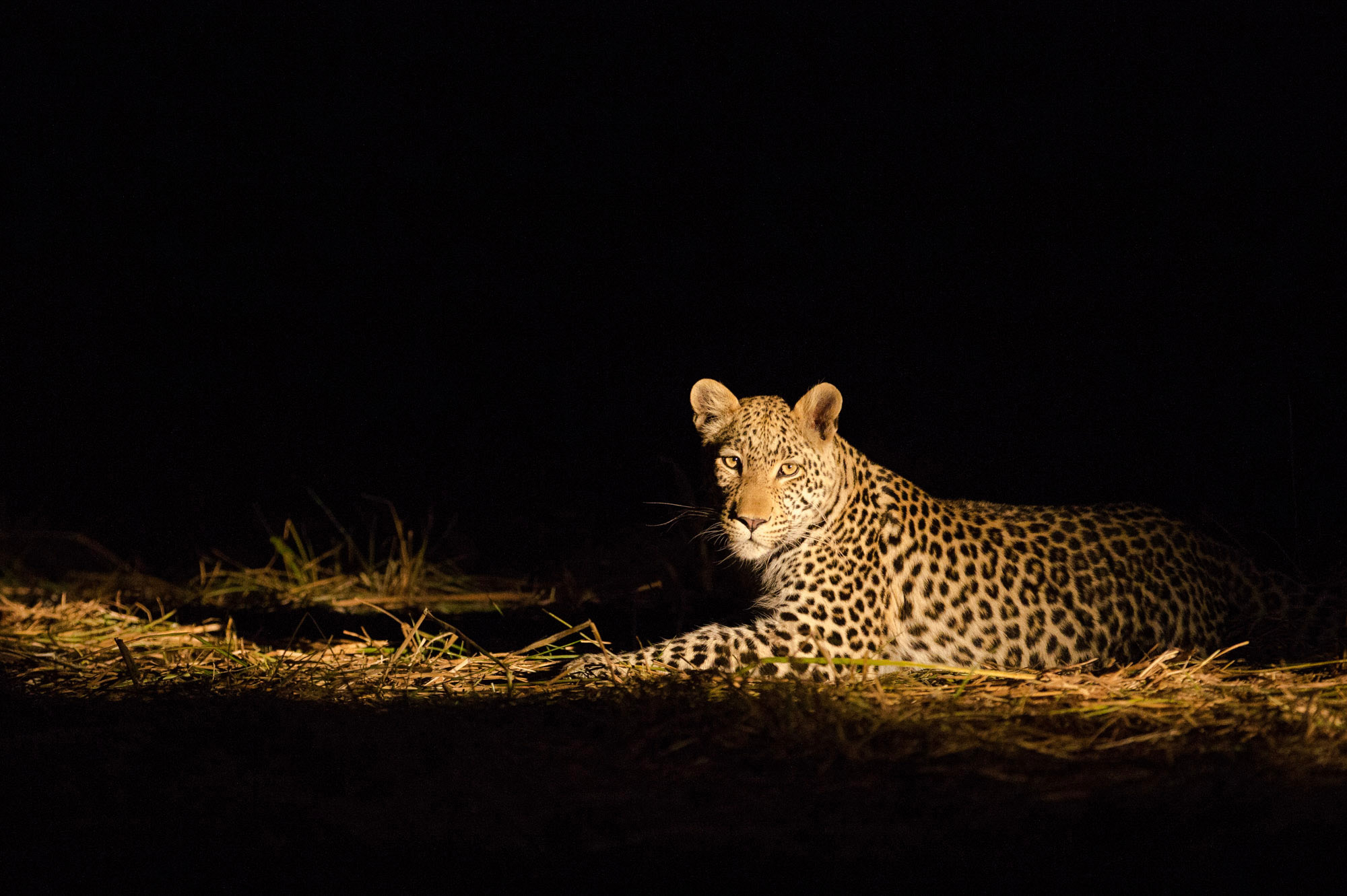
Are Night Game Drives Available in Rwanda? Rwanda is globally celebrated for its exceptional wildlife…
What is the Best Time for Wildlife Safaris in Rwanda?
What is the Best Time for Wildlife Safaris in Rwanda?
Rwanda is a premier African destination for wildlife enthusiasts, offering a unique combination of diverse ecosystems, rare species, and cultural immersion. Travelers frequently ask, “What is the best time for wildlife safaris in Rwanda?” The answer depends on the type of safari, the wildlife you hope to encounter, and your personal preferences for climate and landscape photography. With its carefully protected national parks, including Akagera, Volcanoes, Nyungwe, and Gishwati, Rwanda Safaris provide opportunities for game drives, primate tracking, birding, and cultural experiences throughout the year. However, certain months offer optimal conditions for spotting wildlife, enjoying birdlife, and exploring the natural beauty of the country.
During the dry seasons, which run from June to September and December to February, wildlife congregates near rivers, lakes, and waterholes, making animals easier to locate on Rwanda Wildlife Safaris. These months are particularly ideal for game drives in Akagera National Park, where visitors have a higher likelihood of observing the Big Five—lions, elephants, leopards, buffaloes, and rhinos—in their natural habitats. Additionally, the dry period allows for more accessible park roads and better conditions for photography, capturing animals against the vibrant, sun-drenched landscapes. Visitors interested in Rwanda Birding Safaris will also find these months favorable for spotting resident and migratory species across various habitats, including wetlands and savannahs.
How Does the Wet Season Influence Wildlife Safaris in Rwanda?
The wet seasons, spanning March to May and October to November, transform Rwanda’s parks into lush, green landscapes that are ideal for nature photography and birdwatching. Although wildlife may be more dispersed due to abundant water sources, these months are perfect for Rwanda Birding Safaris, with migratory species arriving and resident birds actively nesting. Nyungwe National Park, in particular, thrives during the wet months as the rainforest teems with life, and chimpanzee tracking becomes a spectacular experience amid flourishing vegetation. Rwanda Cultural Safaris are equally rewarding during this period. Visitors can witness local agricultural cycles, participate in traditional ceremonies, and engage with community projects that highlight sustainable living practices. Cultural immersion enhances wildlife encounters by providing insight into how Rwandan communities coexist with the country’s fauna. Travelers can also combine a Uganda Gorilla Trekking experience with a Rwanda safari during the wet season, creating a multi-ecosystem adventure that spans the savannahs of Akagera to the forests of Volcanoes National Park.
What Activities Can You Expect on a Rwanda Wildlife Safari?
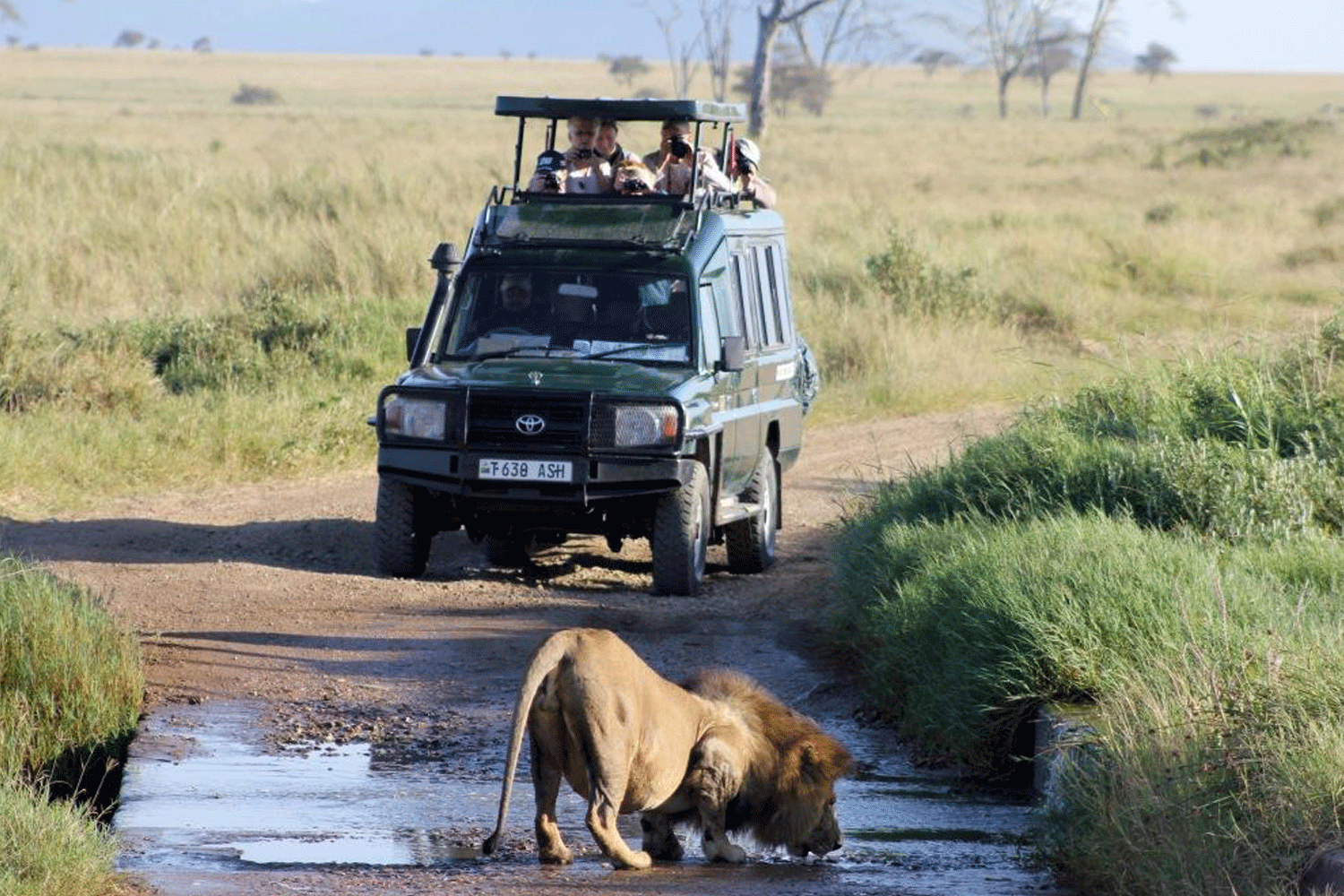
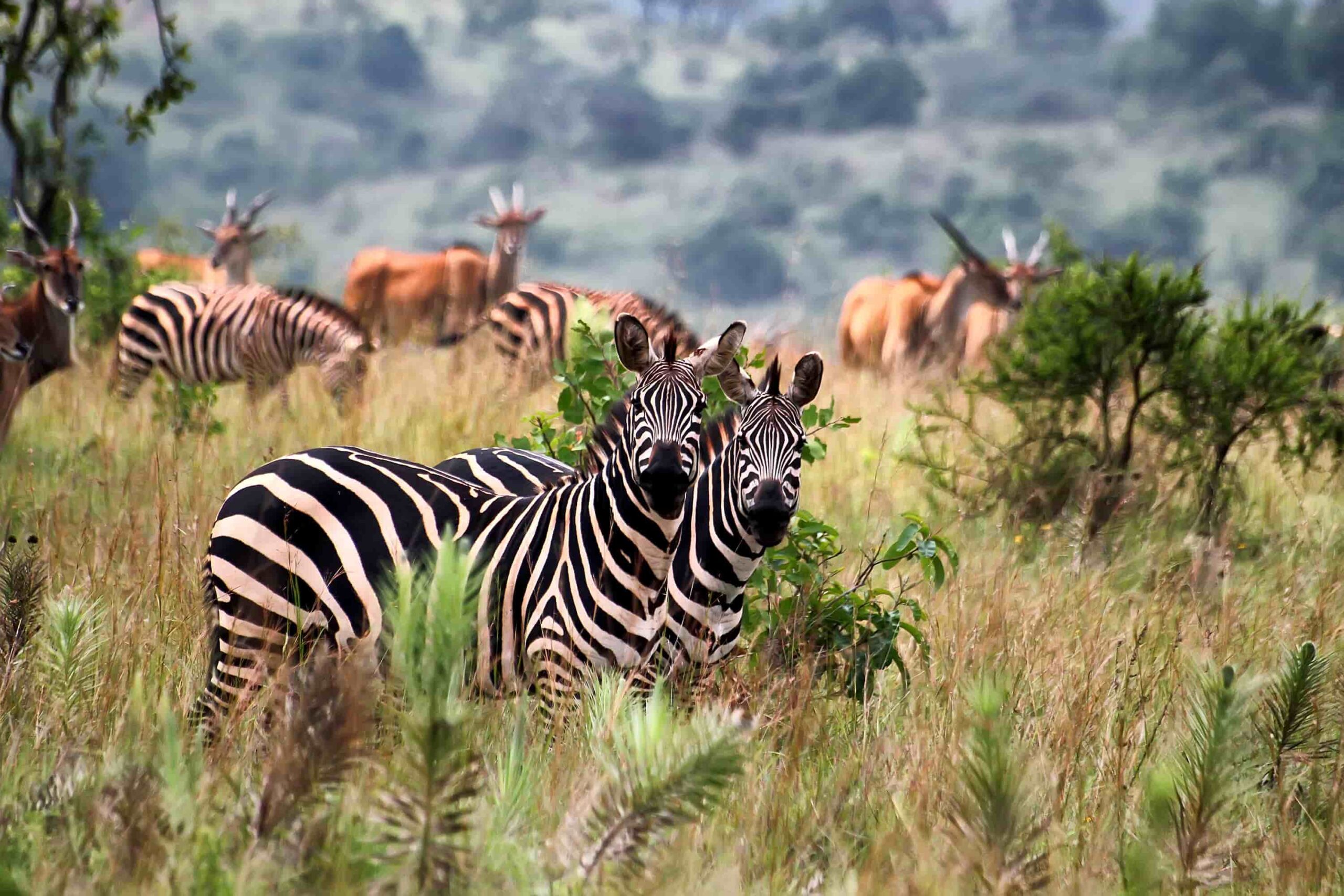
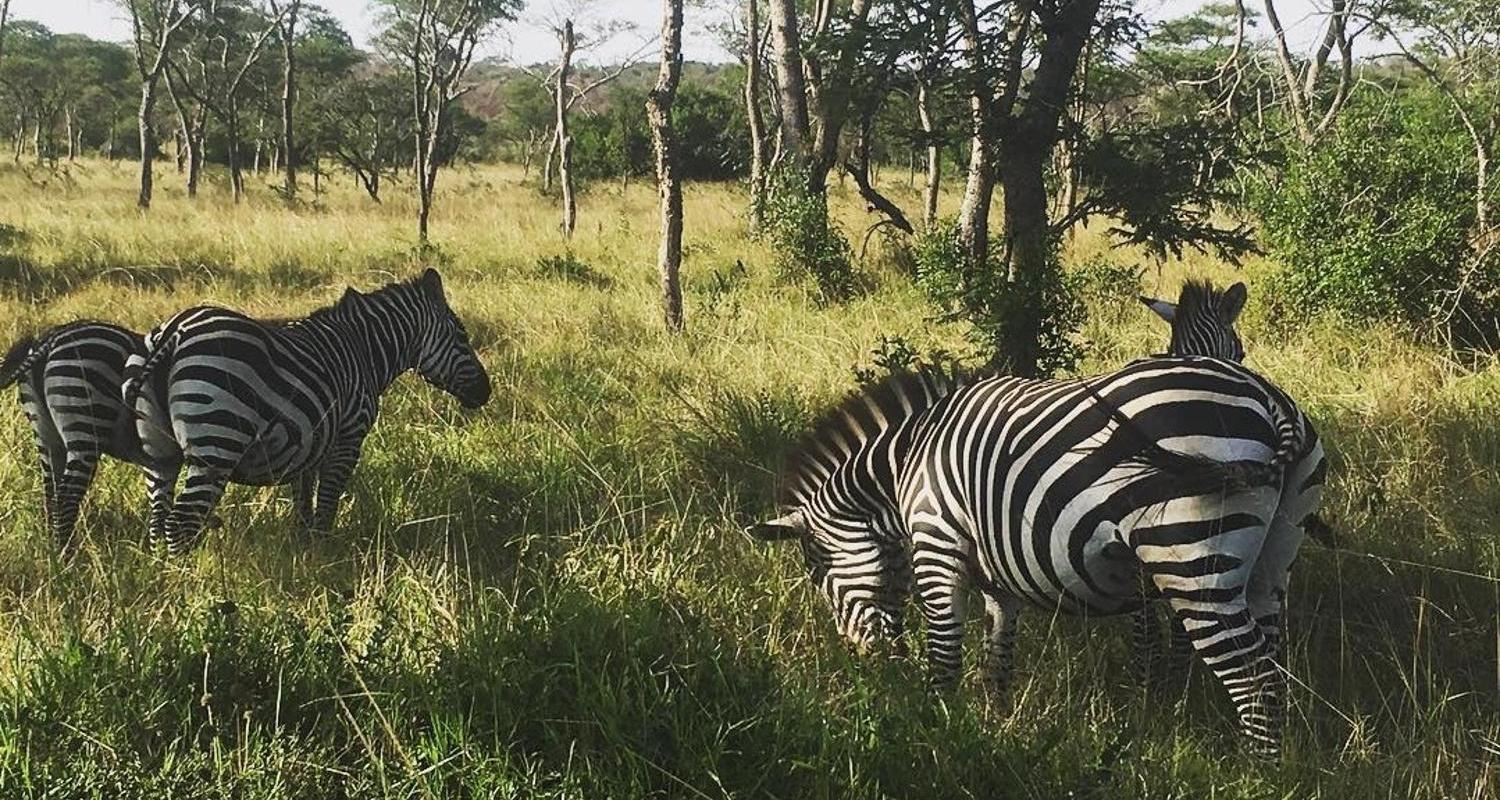
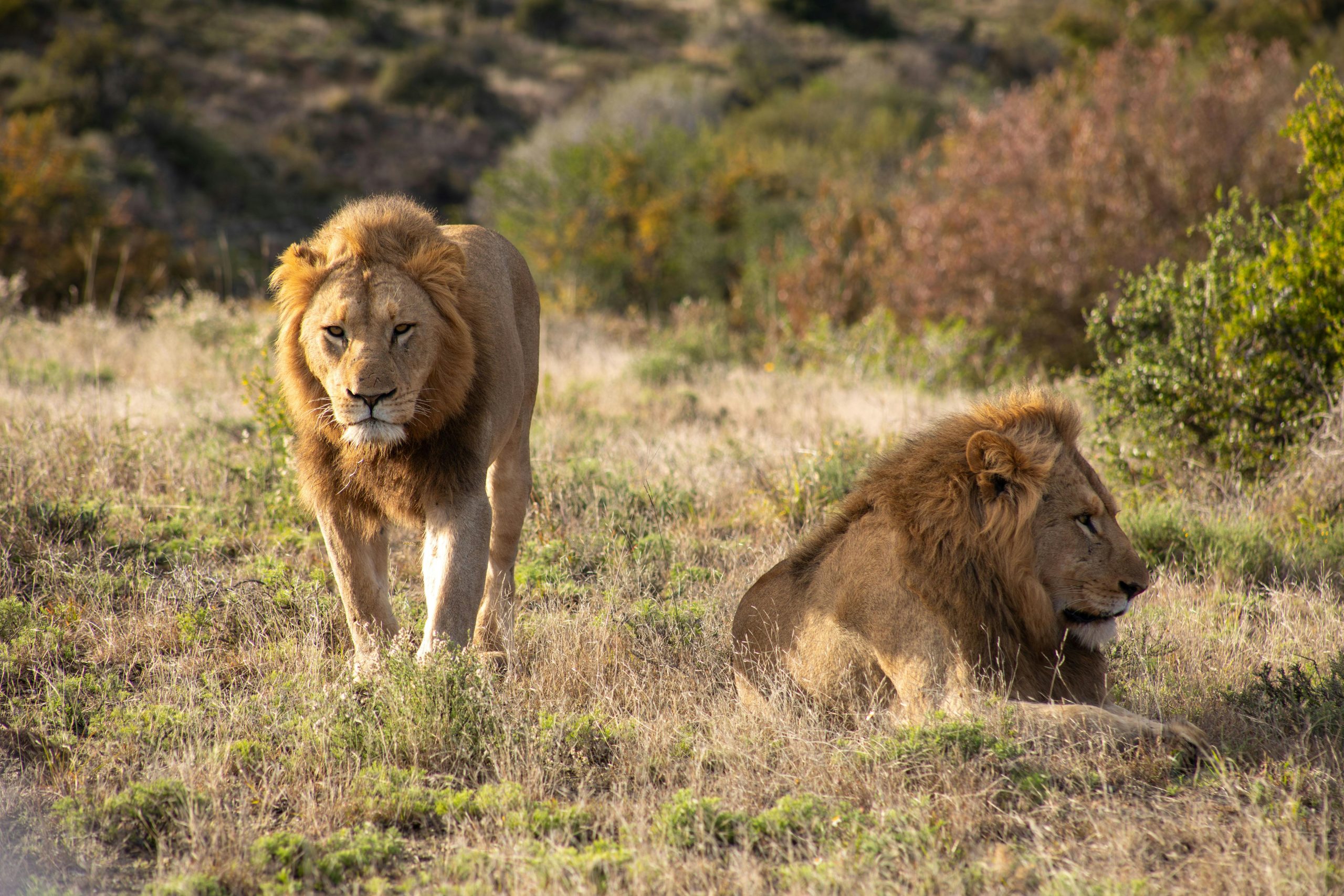
Expect a variety of activities tailored to each park’s unique ecosystems. Akagera National Park is renowned for game drives where visitors can see elephants, giraffes, lions, zebras, and the elusive black rhino. Guided drives typically last three to six hours, with morning and late afternoon sessions offering optimal animal activity. For bird enthusiasts, lakes, wetlands, and riverine forests host hundreds of species, including the African fish eagle and colorful weaver birds, making it an ideal destination for Rwanda Birding Safaris.
In contrast, Volcanoes National Park provides once-in-a-lifetime encounters with mountain gorillas. Trekking through mist-covered slopes with experienced guides allows tourists to observe these gentle giants in their natural environment. Nyungwe National Park focuses on primate tracking, with chimpanzee expeditions combined with forest hikes and canopy walks. Each safari integrates expert commentary, ensuring visitors understand the ecological importance of Rwanda’s wildlife and conservation efforts, making every experience educational, engaging, and unforgettable.
How to Reach Rwanda’s Wildlife Safari Destinations
Reaching Rwanda’s wildlife parks is straightforward, with Kigali International Airport serving as the primary entry point. From Kigali, Akagera National Park is approximately a two- to three-hour drive, while Volcanoes National Park in the north takes around two to three hours via scenic mountain roads. Nyungwe Forest lies about six to seven hours southwest, accessible via well-maintained highways, and Gishwati Forest is reachable in roughly four hours. Private transfers, guided tours, and domestic charter flights are available to enhance convenience and reduce travel time. Kigali City Tours specializes in custom itineraries that ensure smooth transportation between parks, whether guests wish to combine Rwanda Wildlife Safaris with cultural tours or Uganda Gorilla Trekking experiences. Knowledgeable guides provide local insights, share wildlife behavior observations, and ensure safety and comfort throughout the journey.
What to Pack and Wear for a Wildlife Safari in Rwanda?
Proper preparation enhances the safari experience and ensures safety and comfort. Lightweight, neutral-colored clothing in khaki, beige, or olive blends seamlessly with the environment, reducing disturbance to wildlife. Long sleeves and pants protect against sun exposure, insect bites, and vegetation encountered during forest hikes or game drives. Essential items include sturdy walking shoes, a wide-brimmed hat, sunscreen, insect repellent, binoculars, a high-quality camera, and a daypack for water and snacks. Layered clothing is crucial for early morning drives, when temperatures are cooler, and for forest treks at higher altitudes. Kigali City Tours also advises bringing rain gear during wet seasons, ensuring that visitors remain comfortable during unexpected showers, allowing wildlife observation and cultural experiences to continue uninterrupted.
What Cultural Experiences Complement Rwanda Wildlife Safaris?
Cultural experiences provide an added dimension to any Rwanda Safari. Visitors can interact with local communities, observe traditional dances, and participate in crafts workshops that highlight Rwanda’s rich heritage. In regions surrounding Volcanoes National Park, travelers may visit villages and learn about conservation initiatives that involve local communities in protecting mountain gorillas. Engaging in these experiences enhances understanding of Rwanda’s efforts to balance wildlife preservation with human development. Travelers may also explore historical sites and community-led eco-tourism projects, deepening their appreciation for the country’s resilience and sustainable practices. Combining cultural immersion with wildlife safaris ensures that each visitor leaves Rwanda with both unforgettable memories of its biodiversity and a genuine connection to its people.
When Is the Best Time to Book Your Rwanda Safari?
Booking a Rwanda Wildlife Safari is ideal during the dry seasons, from June to September and December to February, when wildlife visibility is at its peak, park roads are easily navigable, and photography conditions are optimal. Early bookings guarantee gorilla permits, which are limited and highly sought after, especially for Volcanoes National Park. Kigali City Tours provides expert advice on tailoring itineraries to the season, ensuring that clients experience the best wildlife sightings, birding opportunities, and cultural interactions. Guests can also combine Rwanda safaris with Uganda Gorilla Trekking to maximize the diversity of their East African adventure. The combination offers a seamless experience of both savannah and forest ecosystems, making it an ideal choice for discerning travelers seeking the Rwanda Best Safari experiences.
Why Choose Kigali City Tours for Your Rwanda Wildlife Safari?
Kigali City Tours is a trusted safari provider offering personalized, expertly guided Rwanda Safaris, Rwanda Birding Safaris, and Rwanda Cultural Safaris. Our itineraries are designed to maximize wildlife encounters, cultural immersion, and comfort while highlighting Rwanda’s conservation successes. Experienced guides provide insight into animal behavior, ecosystems, and local customs, ensuring a fully educational and engaging experience. Flexibility allows travelers to combine Akagera game drives with gorilla trekking in Volcanoes National Park or birdwatching in Nyungwe Forest. Our commitment to sustainable tourism, high-quality service, and safety positions Kigali City Tours as the premier partner for anyone seeking a Rwanda safari that is immersive, rewarding, and unforgettable.
Conclusion: What is the Best Time for Wildlife Safaris in Rwanda?
The best time for wildlife safaris in Rwanda depends on your goals, the species you wish to observe, and personal preferences for weather conditions. Dry seasons, from June to September and December to February, are optimal for game drives, gorilla trekking, and birding, while wet seasons offer lush landscapes, migratory birds, and excellent photographic opportunities. Whether exploring Akagera’s savannahs, Nyungwe’s rainforests, Volcanoes’ volcanic slopes, or Gishwati’s dense canopy, Rwanda Safaris promise extraordinary wildlife encounters, cultural experiences, and breathtaking scenery. Choosing Kigali City Tours ensures expert guidance, seamless logistics, and the possibility to combine Uganda Gorilla Trekking with Rwandan wildlife adventures, creating a truly once-in-a-lifetime safari experience.
Related Posts